Description
Vitamin D3 helps absorb calcium. Vitamin K2 helps ensure it reaches your bones. Featuring branded Vitashine® D3 and BioEssence® K2 (MK-7).

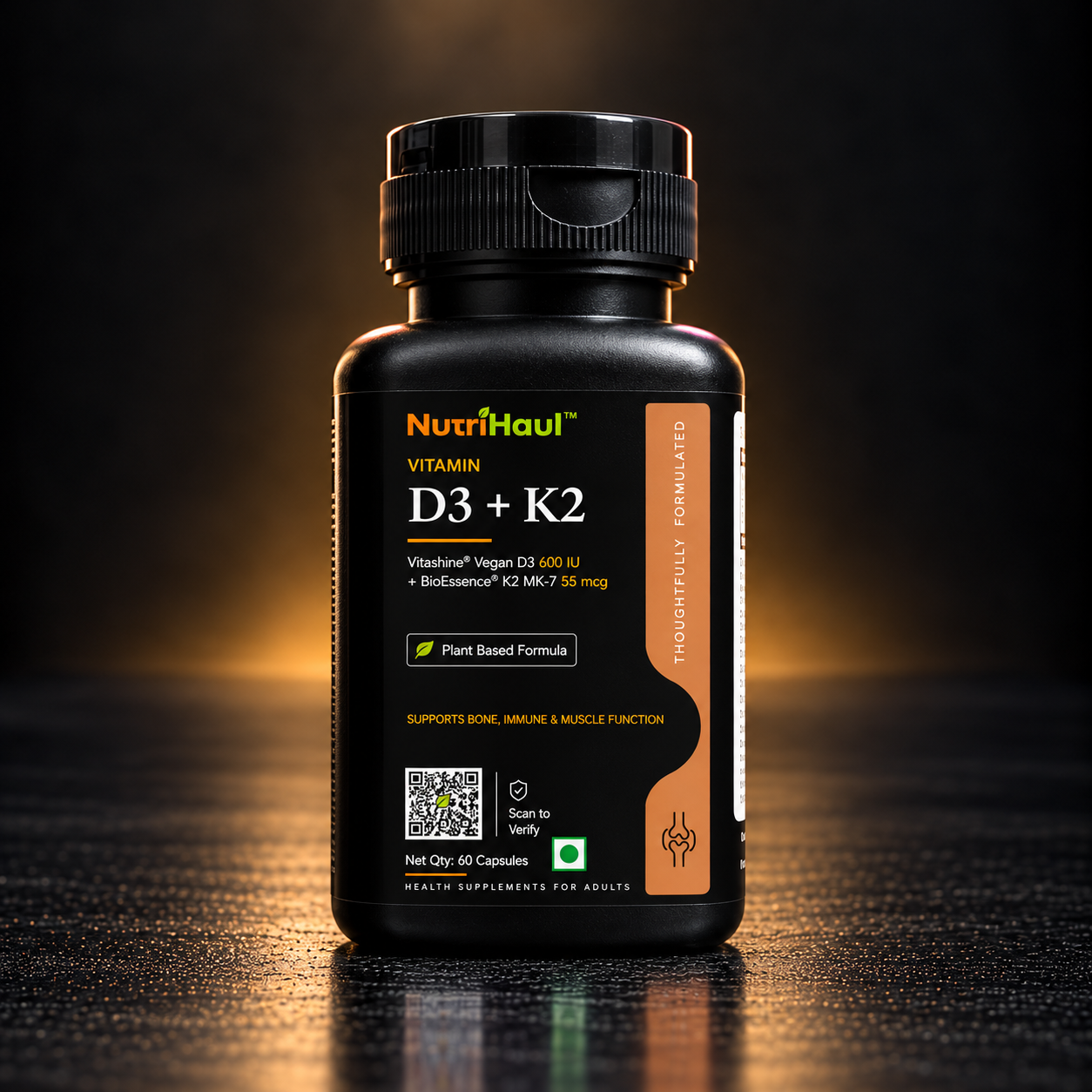
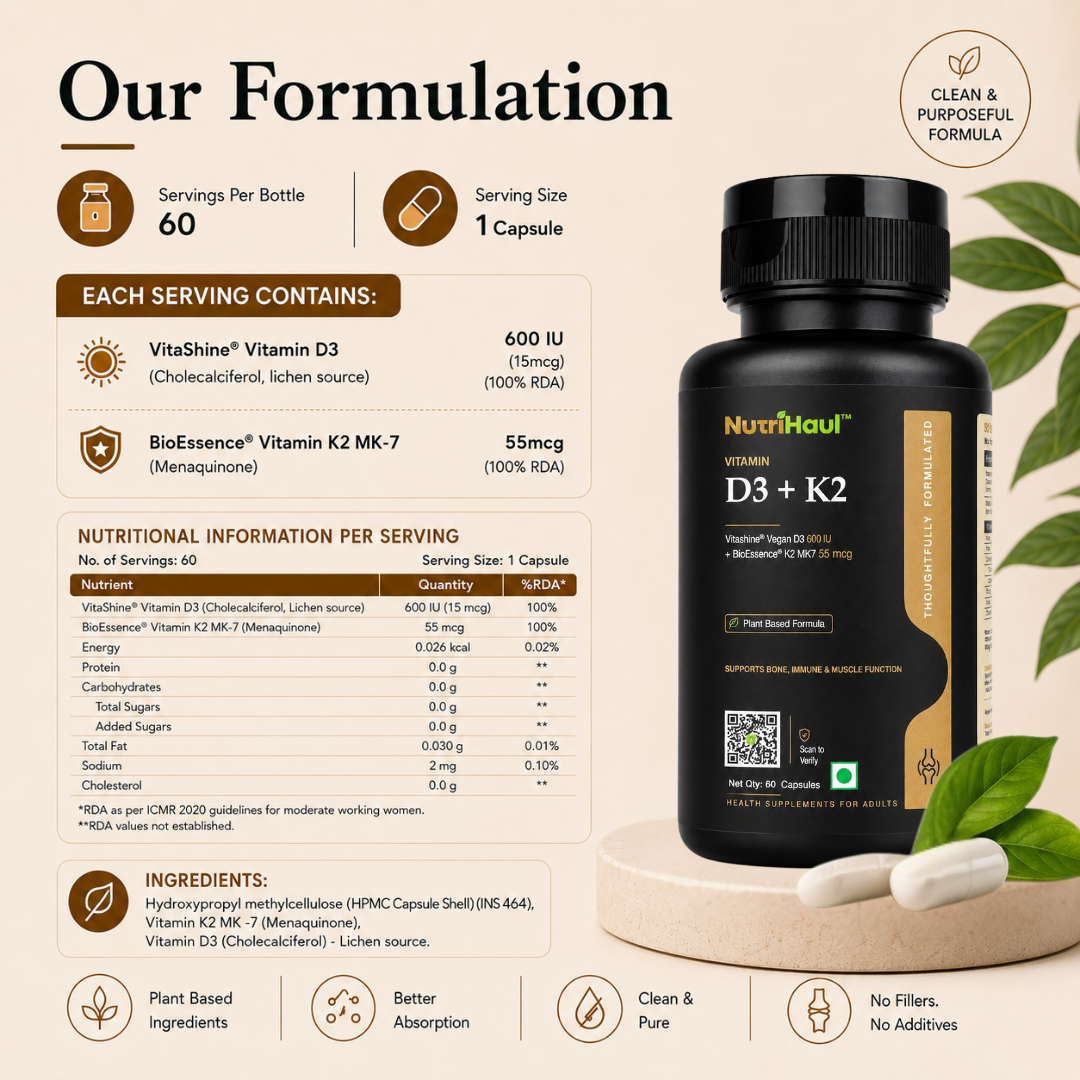
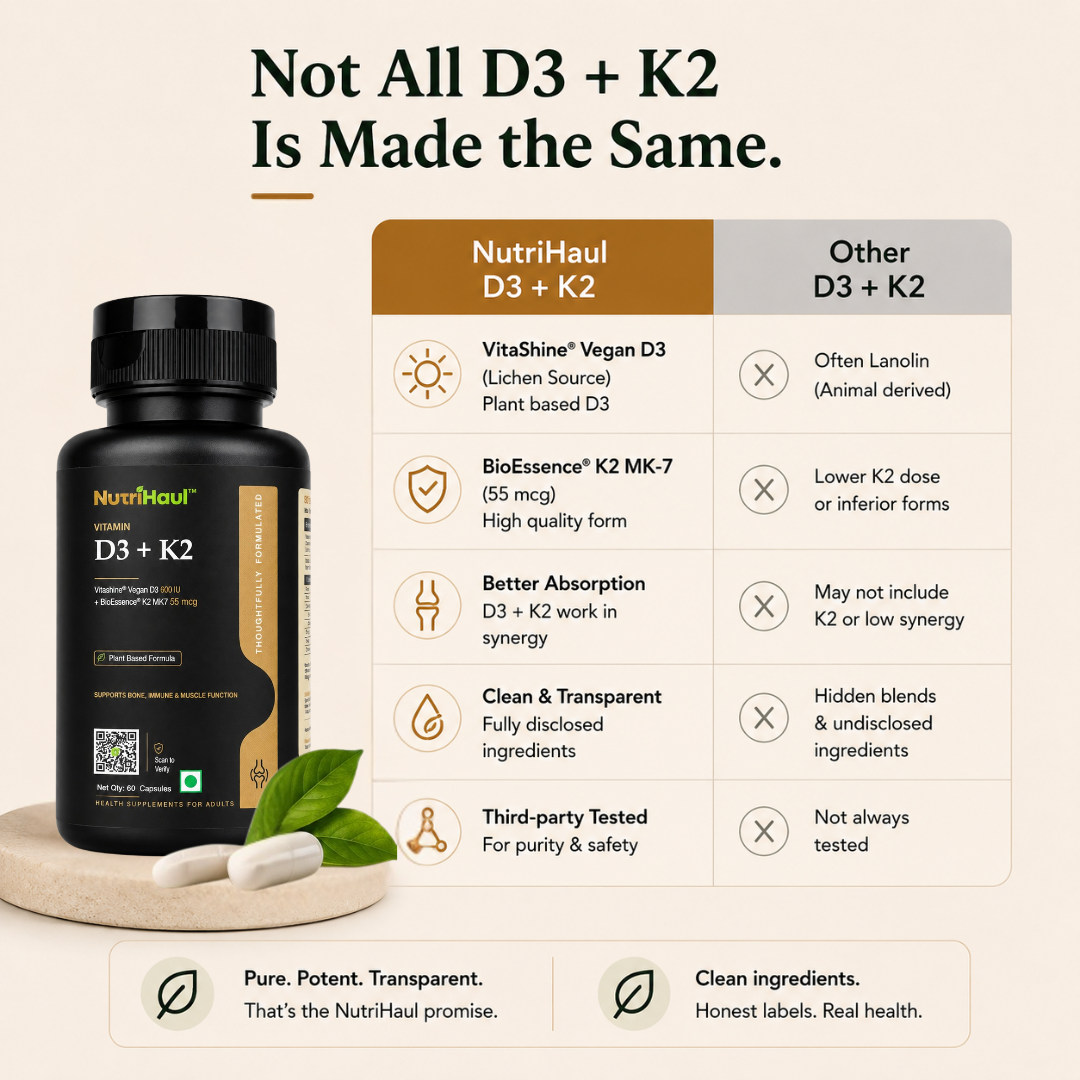
Vitamin D3 helps absorb calcium. Vitamin K2 helps ensure it reaches your bones. Featuring branded Vitashine® D3 and BioEssence® K2 (MK-7).
₹1,199.00 Original price was: ₹1,199.00.₹1,019.15Current price is: ₹1,019.15.
Vitamin D3 helps absorb calcium. Vitamin K2 helps ensure it reaches your bones. Featuring branded Vitashine® D3 and BioEssence® K2 (MK-7).
Customer photos and videos
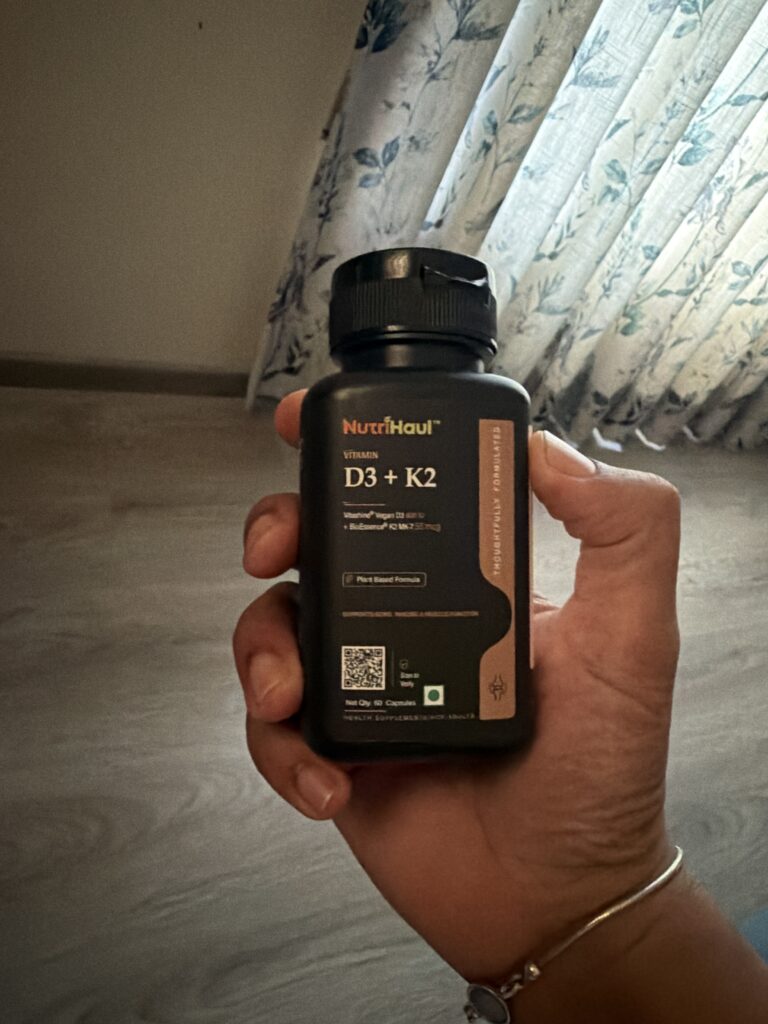
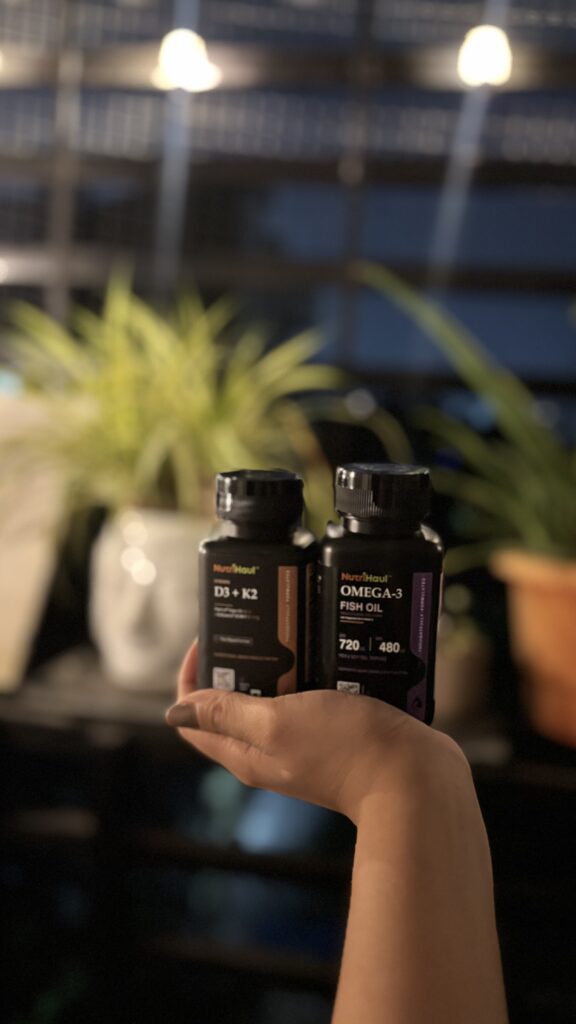
Dr Nikita Paprunia
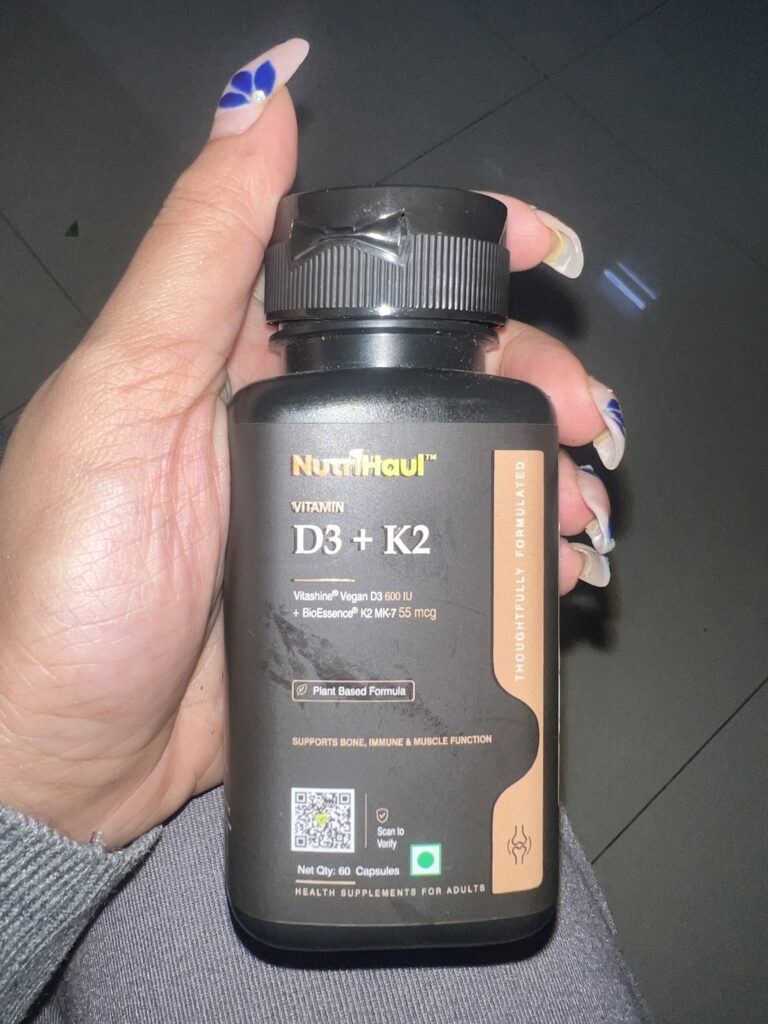
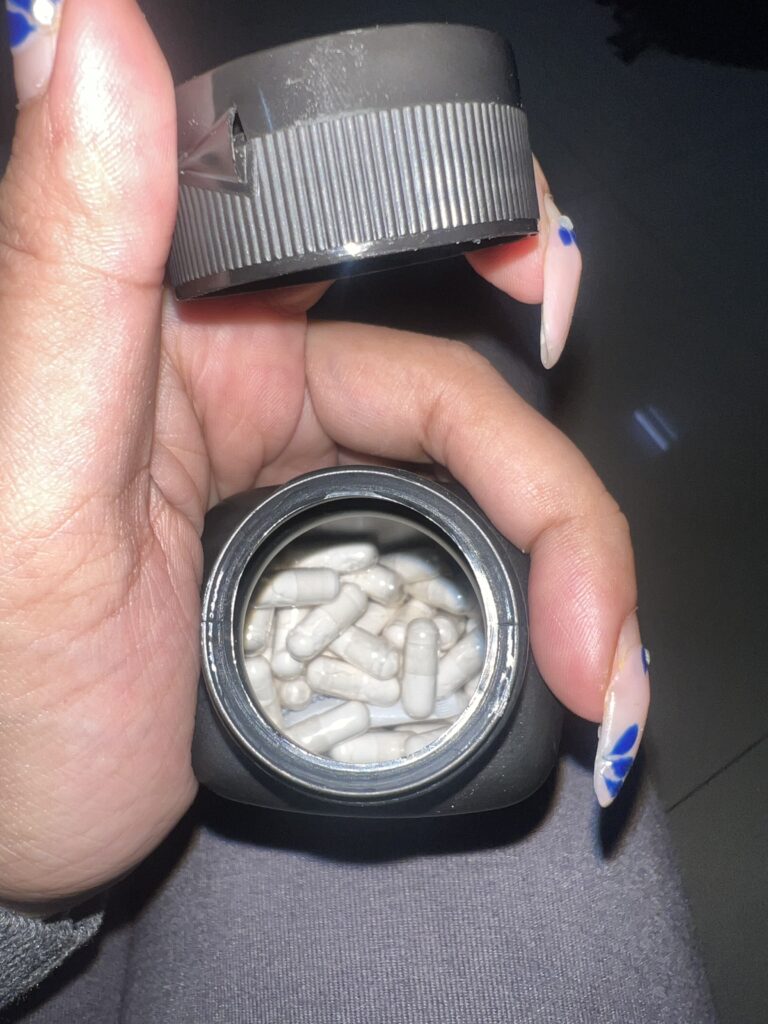
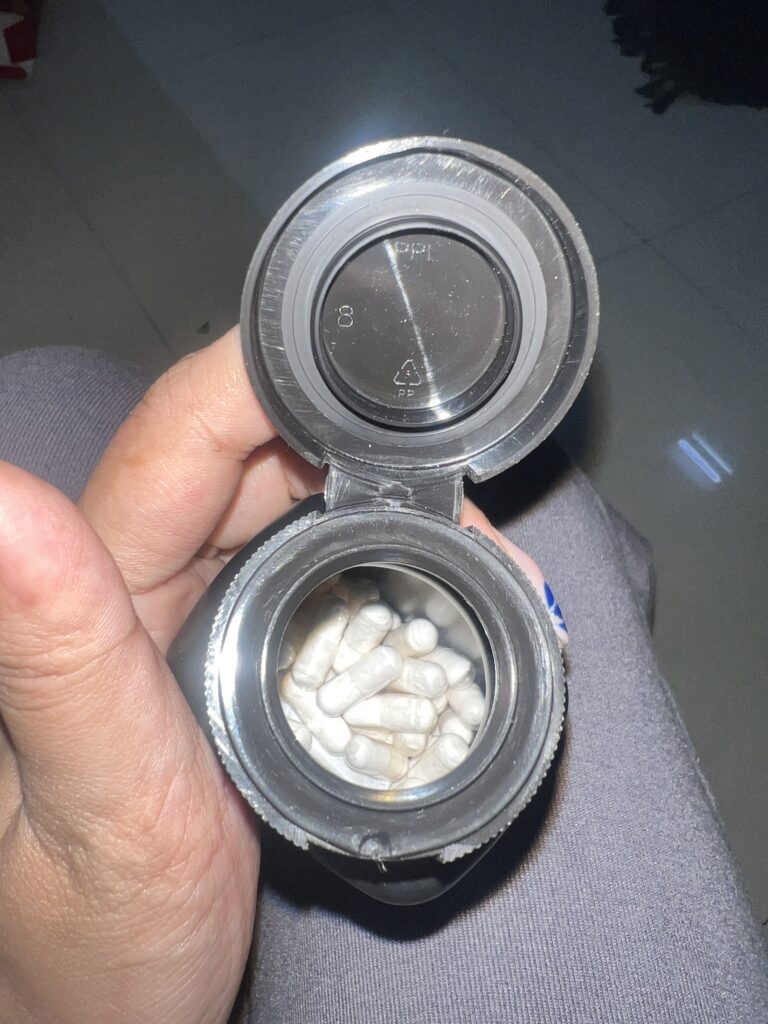
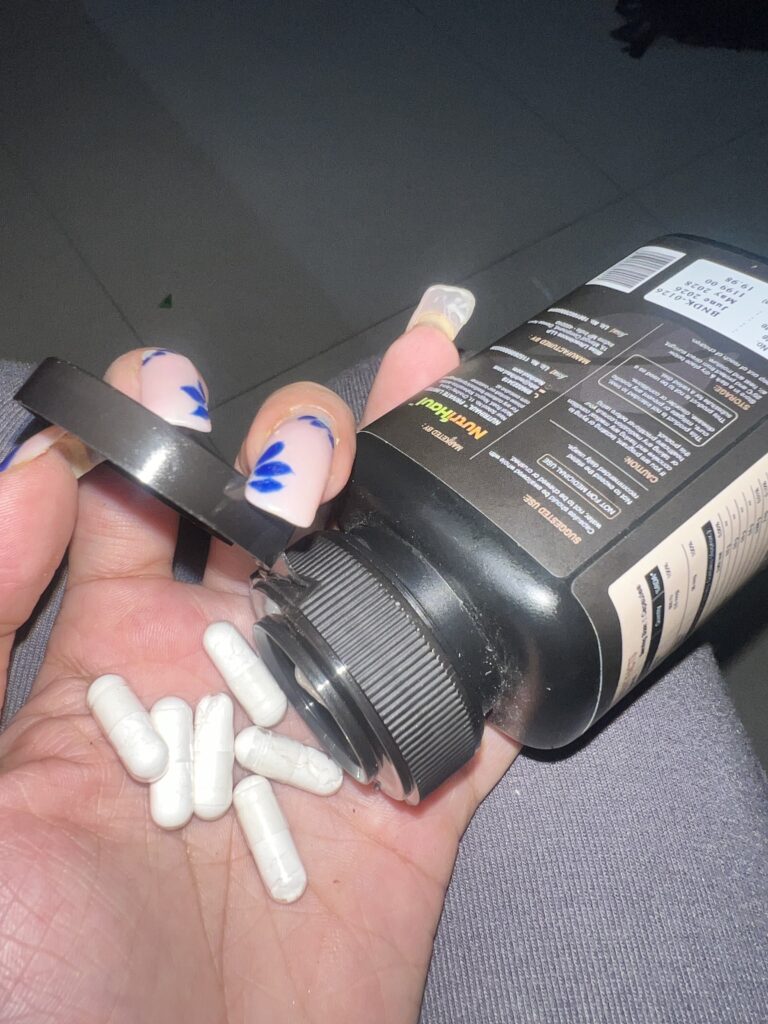
I’ve been using this Vitamin D from Nutrihaul for a while now and really like it. It’s convenient, easy to take and fits well into my daily routine. The packaging is also neat and professional. Overall, very satisfied with the product.
Ayushi Esha
I barely get any sun exposure due to my wfh setup so I was looking for clean D3 pills and the combination of Vitamin D3 and K2 helps support bone strength and calcium absorption. The capsules are easy to consume, and I haven't experienced any side effects. Good quality product at a reasonable price. Came in good and sturdy packaging. I make sure to take one pill every day without a fail; 10 on 10 recommended 💯
Ayushi Esha
I barely get any sun exposure due to my wfh setup so I was looking for clean D3 pills and the combination of Vitamin D3 and K2 helps support bone strength and calcium absorption. The capsules are easy to consume, and I haven't experienced any side effects. Good quality product at a reasonable price. Came in good and sturdy packaging. I make sure to take one pill every day without a fail; 10 on 10 recommended 💯
Ayushi Esha
I barely get any sun exposure due to my wfh setup so I was looking for clean D3 pills and the combination of Vitamin D3 and K2 helps support bone strength and calcium absorption. The capsules are easy to consume, and I haven't experienced any side effects. Good quality product at a reasonable price. Came in good and sturdy packaging. I make sure to take one pill every day without a fail; 10 on 10 recommended 💯
Ayushi Esha
I barely get any sun exposure due to my wfh setup so I was looking for clean D3 pills and the combination of Vitamin D3 and K2 helps support bone strength and calcium absorption. The capsules are easy to consume, and I haven't experienced any side effects. Good quality product at a reasonable price. Came in good and sturdy packaging. I make sure to take one pill every day without a fail; 10 on 10 recommended 💯
Anushka Kulshrestha
My Vitamin D levels were quite low, so I started taking this supplement regularly. It’s easy to take and has been a convenient addition to my daily routine. Happy with the product and hoping to see my levels improve with consistent use!
Sorry, no reviews match your current selections
 Vitamin D3 + K2 (MK-7)
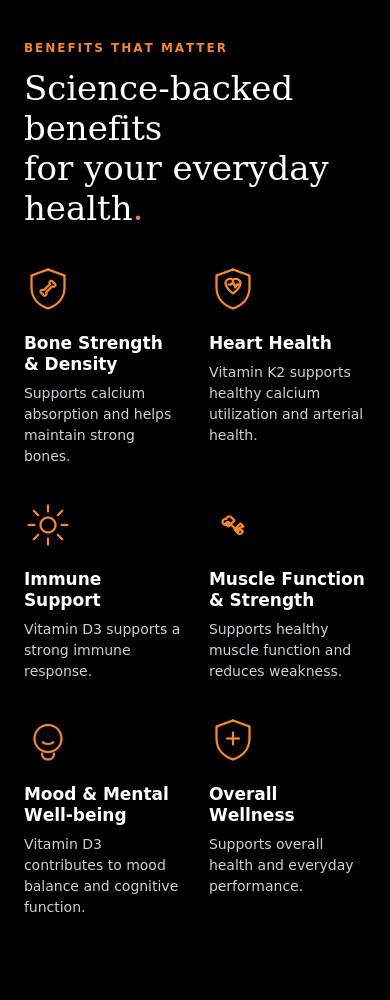
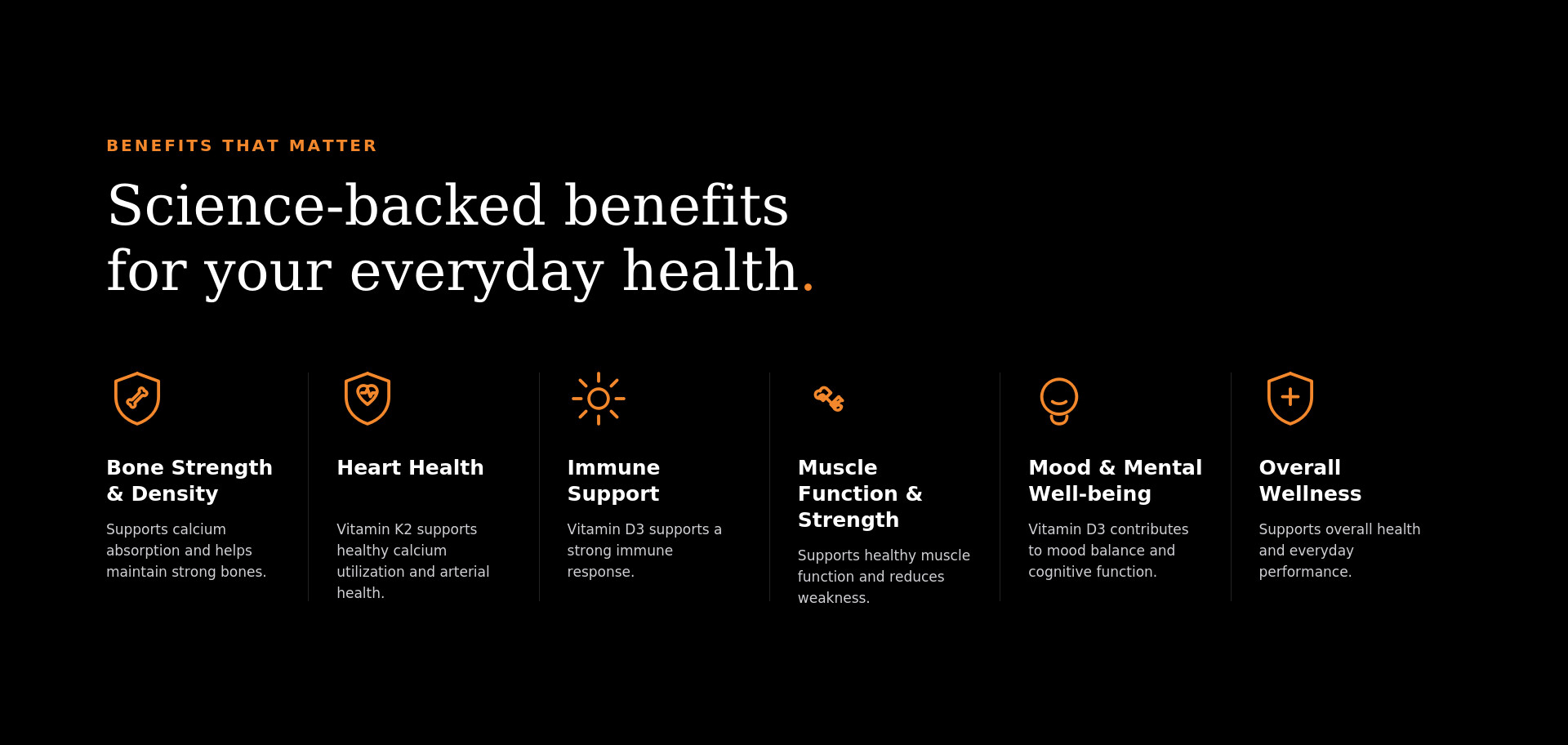
Full label transparency
The research
How to use
Important Note
Frequently asked questions
Learn more
Evidence-based articles — why form matters, how much you need, and what the science actually says.
WhatsApp us


I’ve been using this Vitamin D from Nutrihaul for a while now and really like it. It’s convenient, easy to take and fits well into my daily routine. The packaging is also neat and professional. Overall, very satisfied with the product.
I recently had my blood test done, and I observe my vitamin D has been significantly low. It’s been a month. I am actively taking this after breakfast my vitamin D, has been a lot better, and I feel fresh
I barely get any sun exposure due to my wfh setup so I was looking for clean D3 pills and the combination of Vitamin D3 and K2 helps support bone strength and calcium absorption.
The capsules are easy to consume, and I haven’t experienced any side effects. Good quality product at a reasonable price.
Came in good and sturdy packaging. I make sure to take one pill every day without a fail; 10 on 10 recommended 💯
Like most people stuck indoors all day, my vitamin D levels were super low. Started taking these about a month ago and honestly feel a lot less sluggish by mid-afternoon. Small capsules, super easy to swallow, and zero stomach issues. Definitely making this part of my daily routine.
My Vitamin D levels were quite low, so I started taking this supplement regularly.
It’s easy to take and has been a convenient addition to my daily routine.
Happy with the product and hoping to see my levels improve with consistent use!