Description
120mg elemental magnesium from Magnesium Bisglycinate Chelate—a highly bioavailable form that’s gentle on digestion. A clean, two-ingredient formulation with no unnecessary fillers.

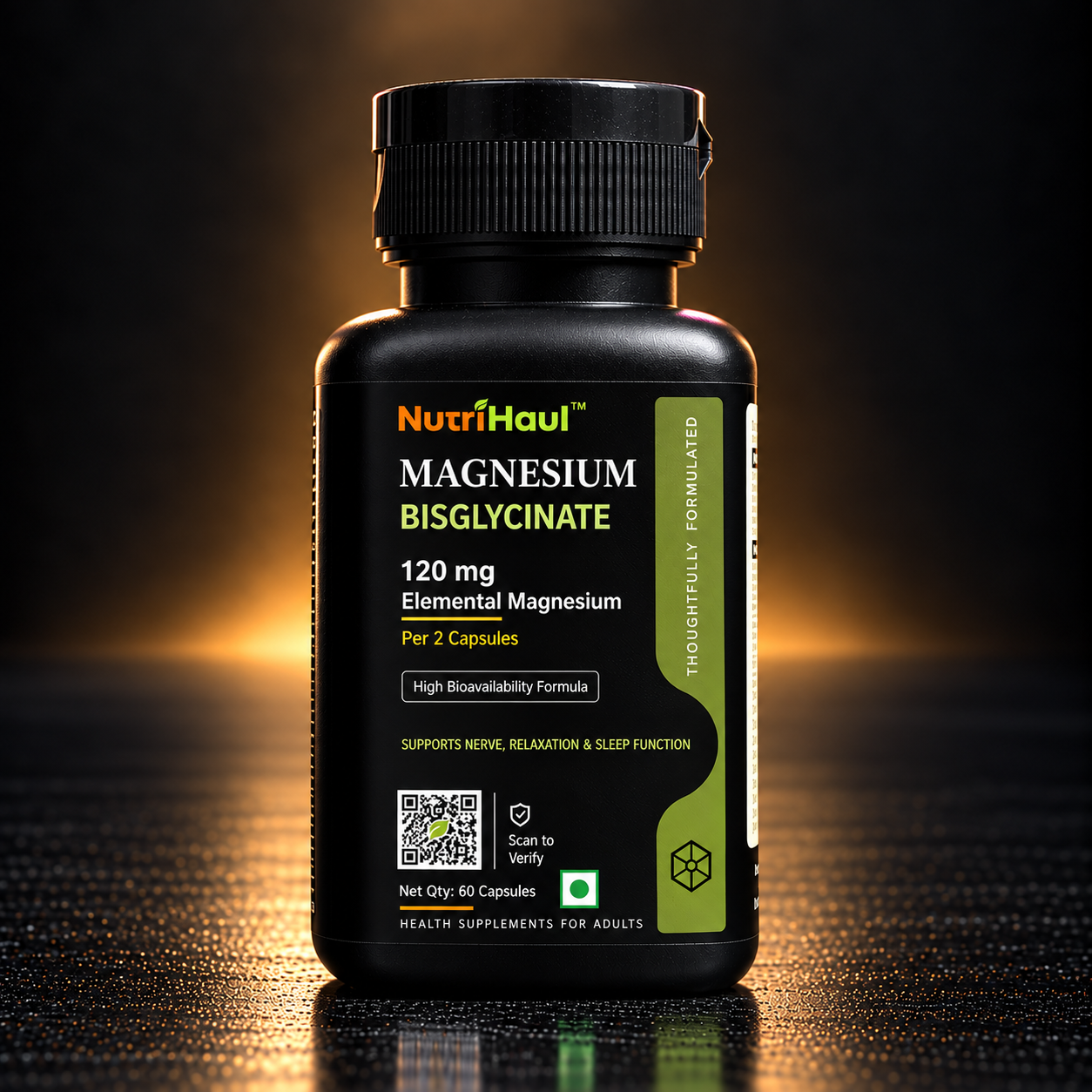
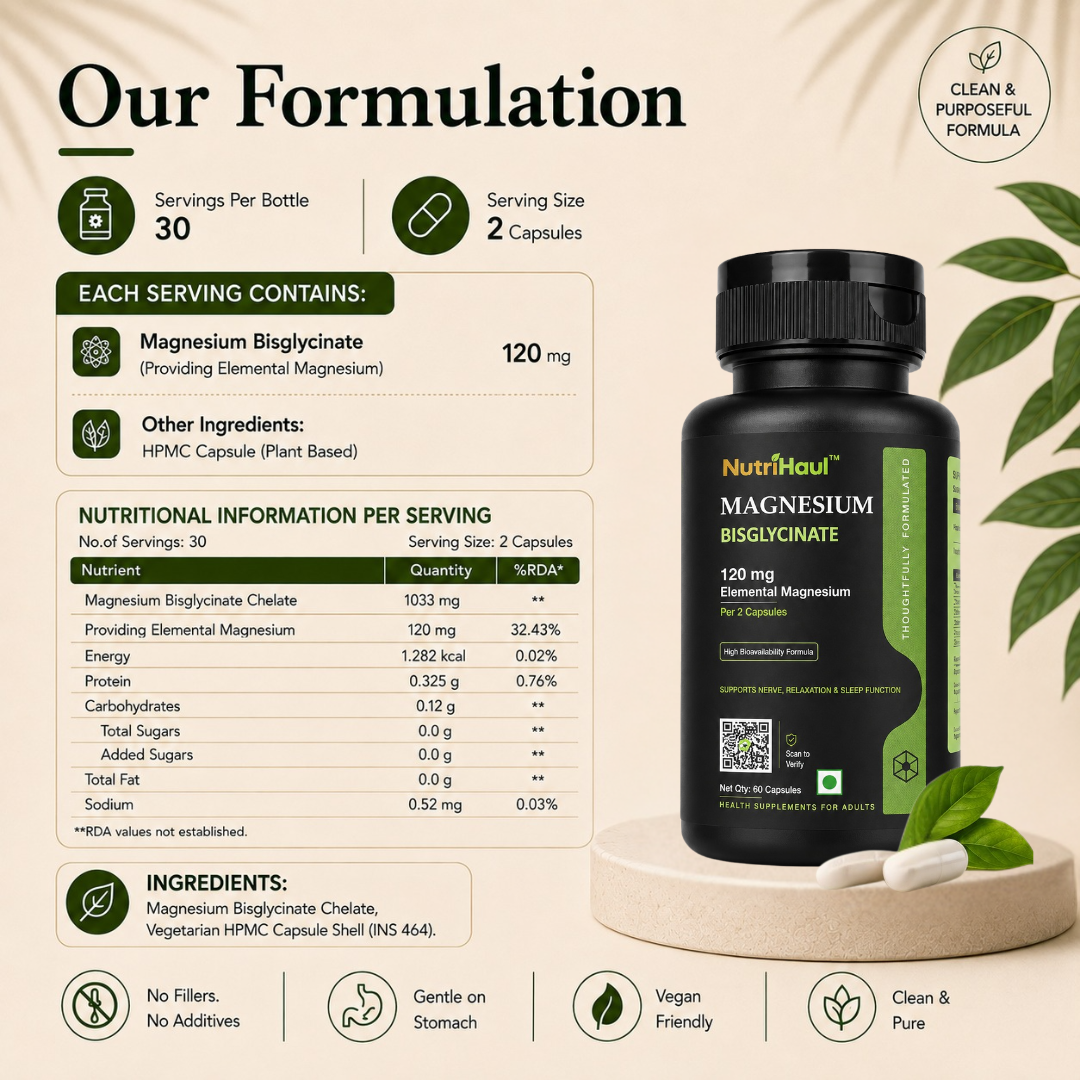

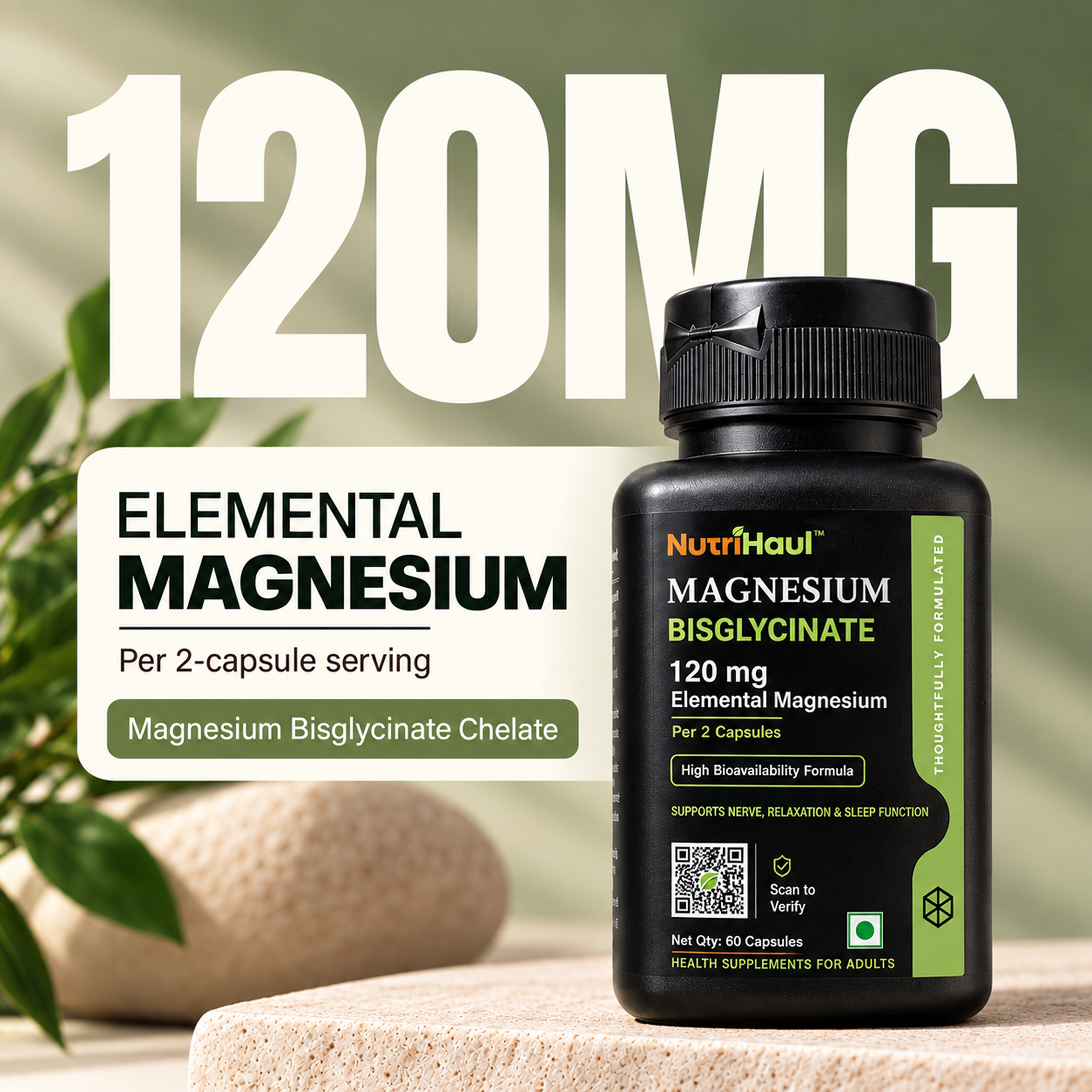
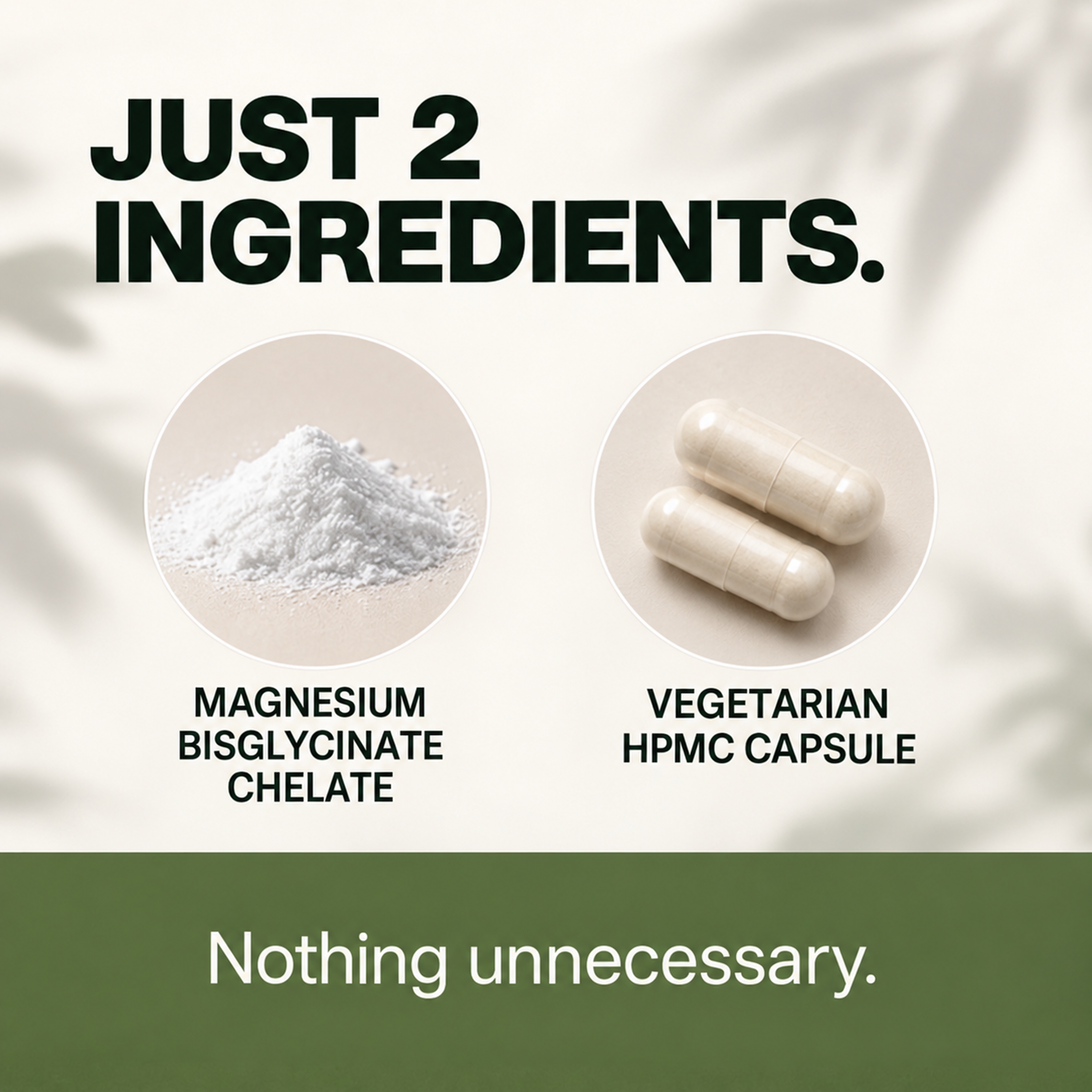


120mg elemental magnesium from Magnesium Bisglycinate Chelate—a highly bioavailable form that’s gentle on digestion. A clean, two-ingredient formulation with no unnecessary fillers.
₹1,099.00 Original price was: ₹1,099.00.₹934.15Current price is: ₹934.15.
120mg elemental magnesium from Magnesium Bisglycinate Chelate—a highly bioavailable form that’s gentle on digestion. A clean, two-ingredient formulation with no unnecessary fillers.
Customer photos and videos
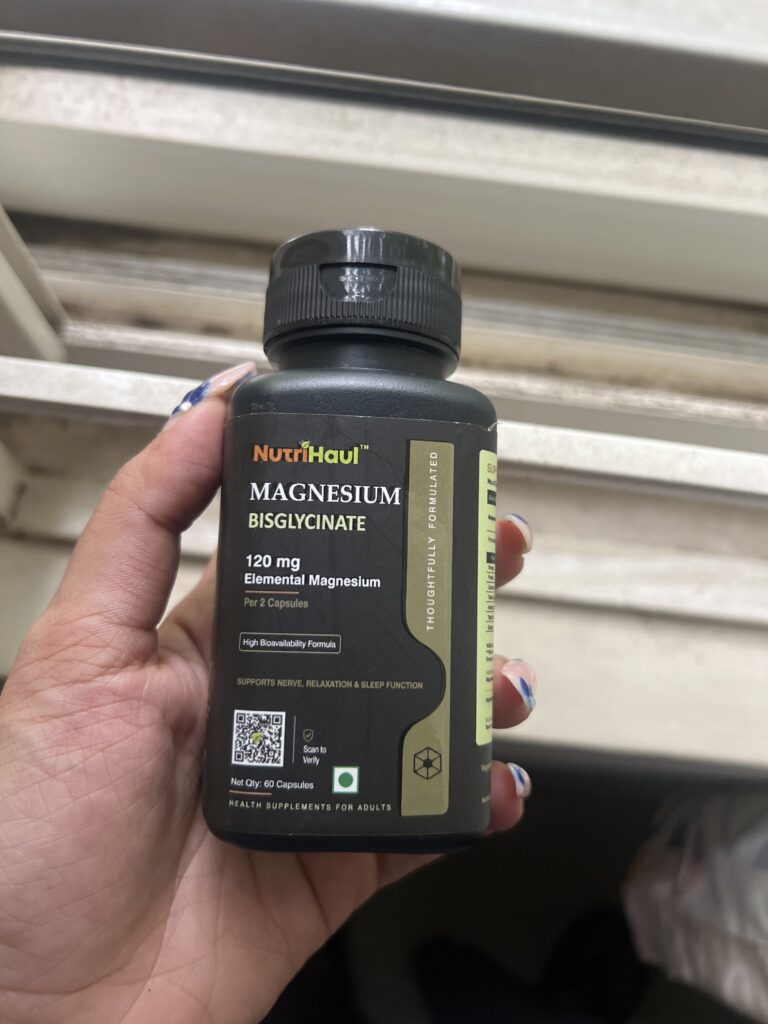
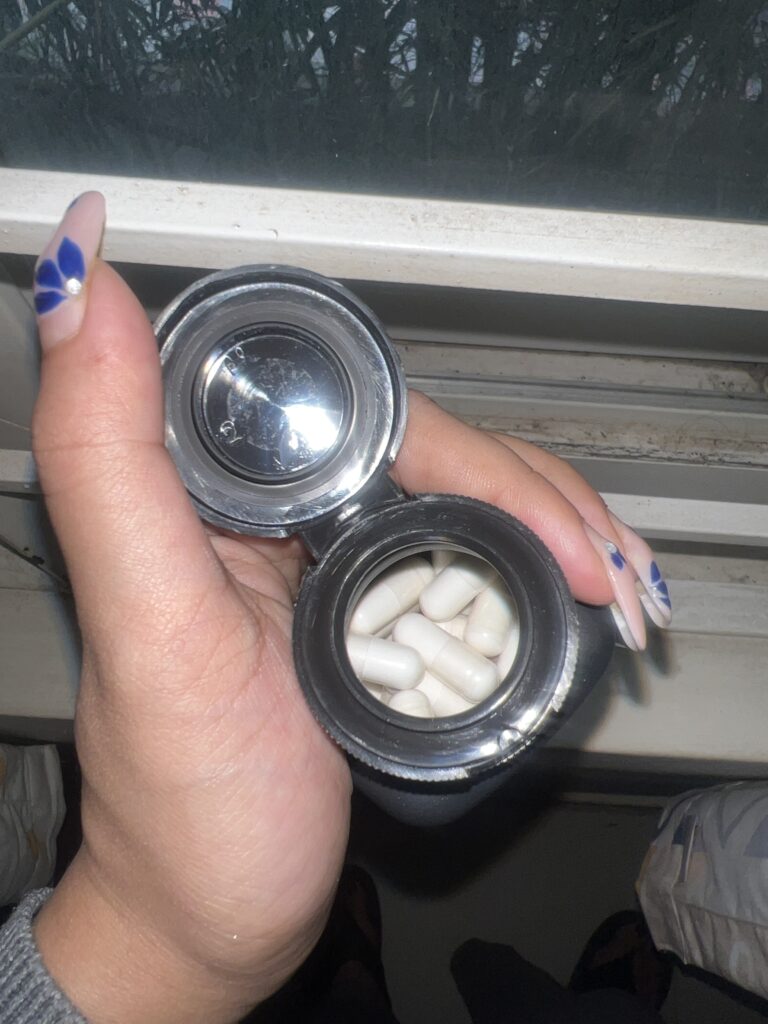
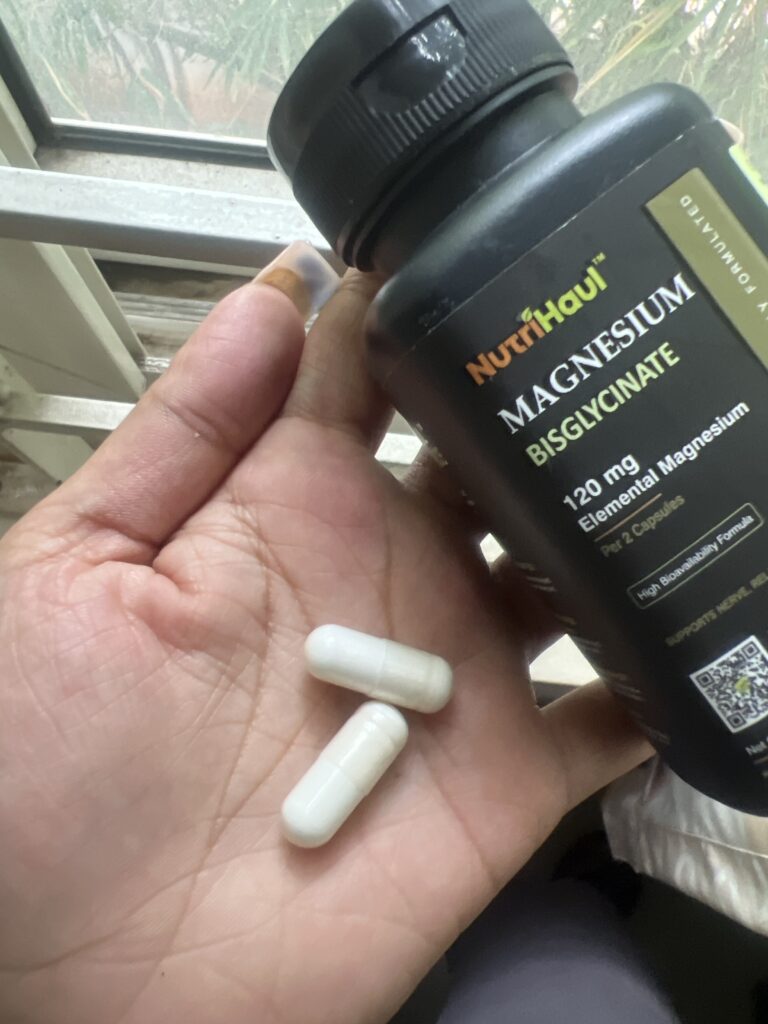
Bharat
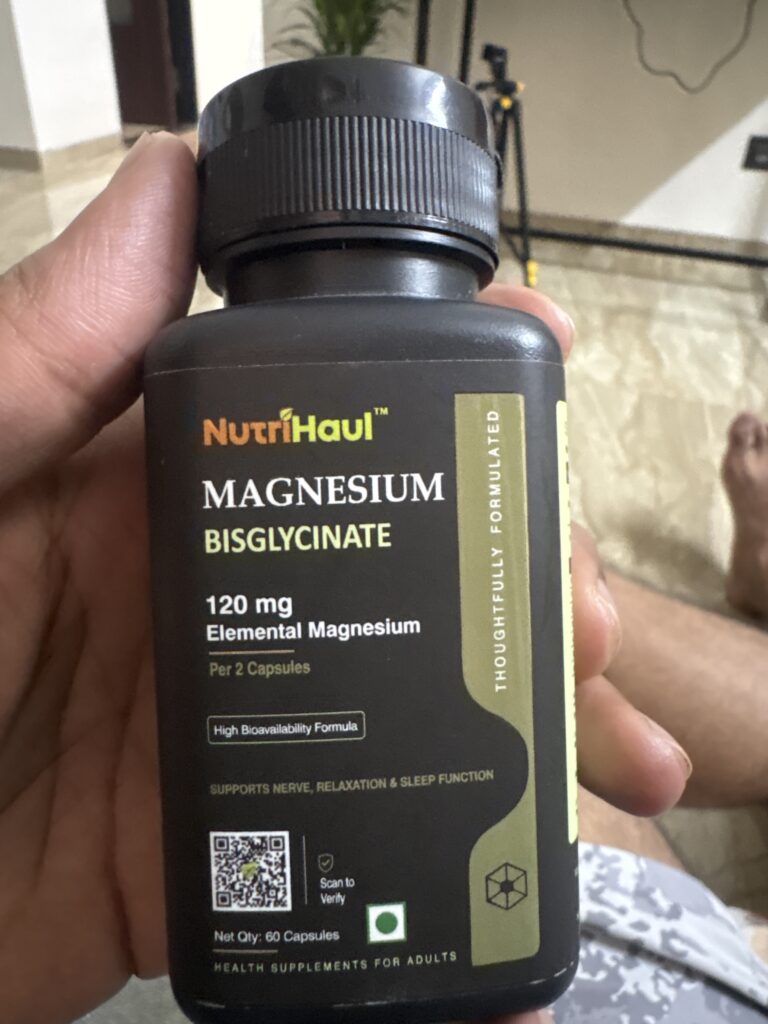
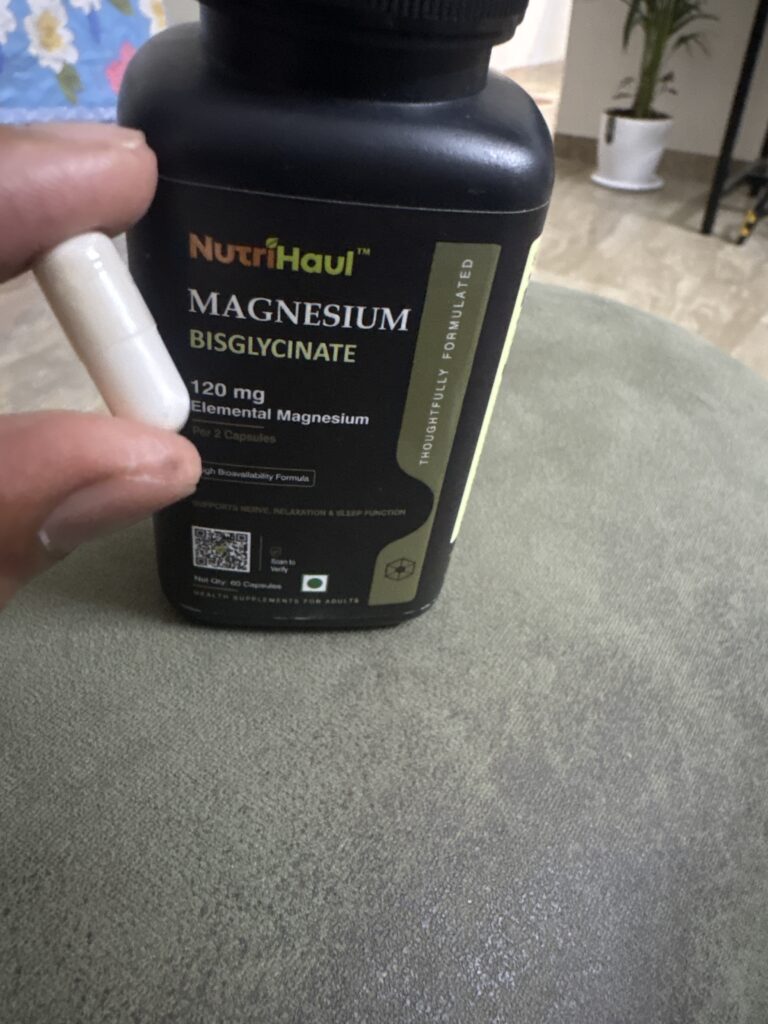
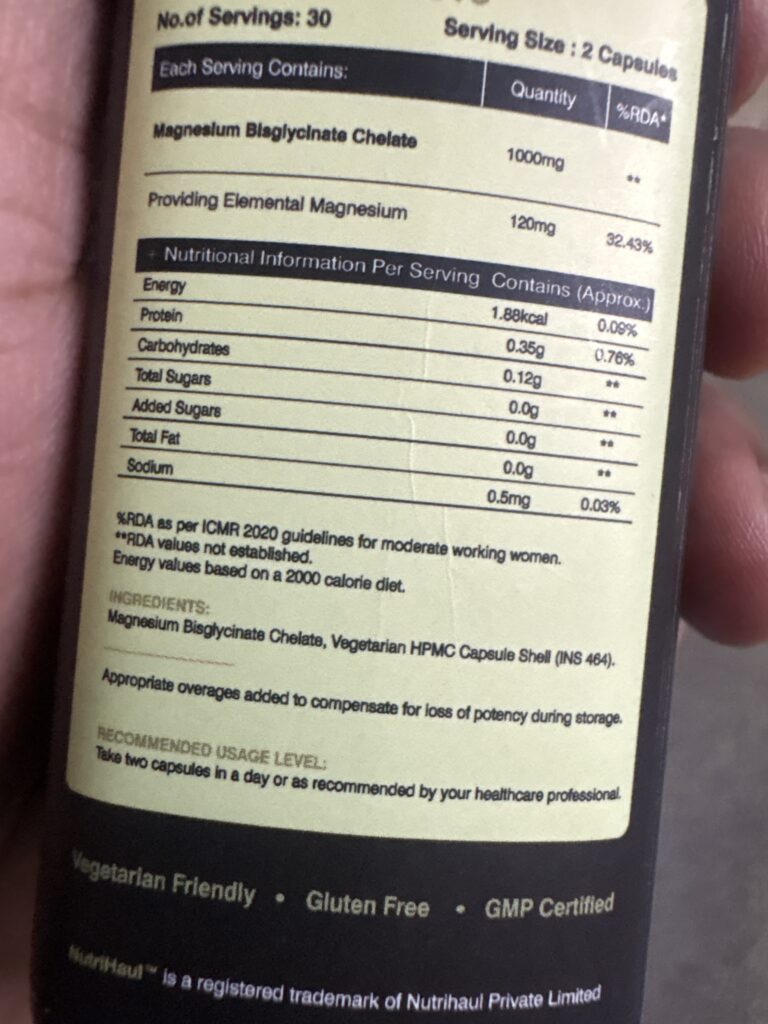
I have been using this from 20 days now, and my sleep cycle has been amazing. I see no other brand. Have this amazing formula with no harmful ingredients.
Bharat
I have been using this from 20 days now, and my sleep cycle has been amazing. I see no other brand. Have this amazing formula with no harmful ingredients.
Bharat
I have been using this from 20 days now, and my sleep cycle has been amazing. I see no other brand. Have this amazing formula with no harmful ingredients.
Ayushi Esha
Using since 3weeks now...reduced muscle pain and sleeplessness.. Many thanks to the Nutrihaul Mg pills it has positive impact on my mood, relief from daily anxiety and promotes a general sense of mental calm & has improved my sleep quality. I am now having uninterrupted sleep at night.What I appreciate most is the high absorption formula and the clean, vegetarian capsules.I have ordered this for my parents too to help them recover fast, now that they have touched their 60s
Ayushi Esha
Using since 3weeks now...reduced muscle pain and sleeplessness.. Many thanks to the Nutrihaul Mg pills it has positive impact on my mood, relief from daily anxiety and promotes a general sense of mental calm & has improved my sleep quality. I am now having uninterrupted sleep at night.What I appreciate most is the high absorption formula and the clean, vegetarian capsules.I have ordered this for my parents too to help them recover fast, now that they have touched their 60s
Ayushi Esha
Using since 3weeks now...reduced muscle pain and sleeplessness.. Many thanks to the Nutrihaul Mg pills it has positive impact on my mood, relief from daily anxiety and promotes a general sense of mental calm & has improved my sleep quality. I am now having uninterrupted sleep at night.What I appreciate most is the high absorption formula and the clean, vegetarian capsules.I have ordered this for my parents too to help them recover fast, now that they have touched their 60s
Sorry, no reviews match your current selections
 Magnesium Bisglycinate


Full label transparency
The research
How to use
Important Note
Frequently asked questions
Learn more
Evidence-based articles — why form matters, how much you need, and what the science actually says.
WhatsApp us


Started taking NutriHaul Magnesium and honestly pretty happy with it. Easy to take and the quality of the product and packaging is really good. I’ve also given it to my parents and they are liking it. Now it has become part of our daily routine. Good product overall.
Really happy with this magnesium supplement! I’ve been taking it regularly in the evening and have noticed better relaxation and recovery. It’s easy to take, gentle on my stomach, and I like the bisglycinate form. Definitely a product I’ll continue using!”
I have been using this from 20 days now, and my sleep cycle has been amazing. I see no other brand. Have this amazing formula with no harmful ingredients.
I have been using the magnesium for 15 days now and the results are amazing. I am getting
Uninterrupted sleep and focus is getting better. That’s what I feel actually. Good product.
Also with comparing among the magnesium present in market. The label is clean and easy.
Good work Nutrihaul team
My mother has been facing sleep issues at night for months, I have also tried giving other magnesium tablets/swalloable strips to her in the past, nothing helped her a lot. Tried Nutrihaul’s Magnesium supplement and wanna say thanks to the team for giving a truly good product, my mom is really getting good sleep at night and hence she is pretty active during the day!