Description
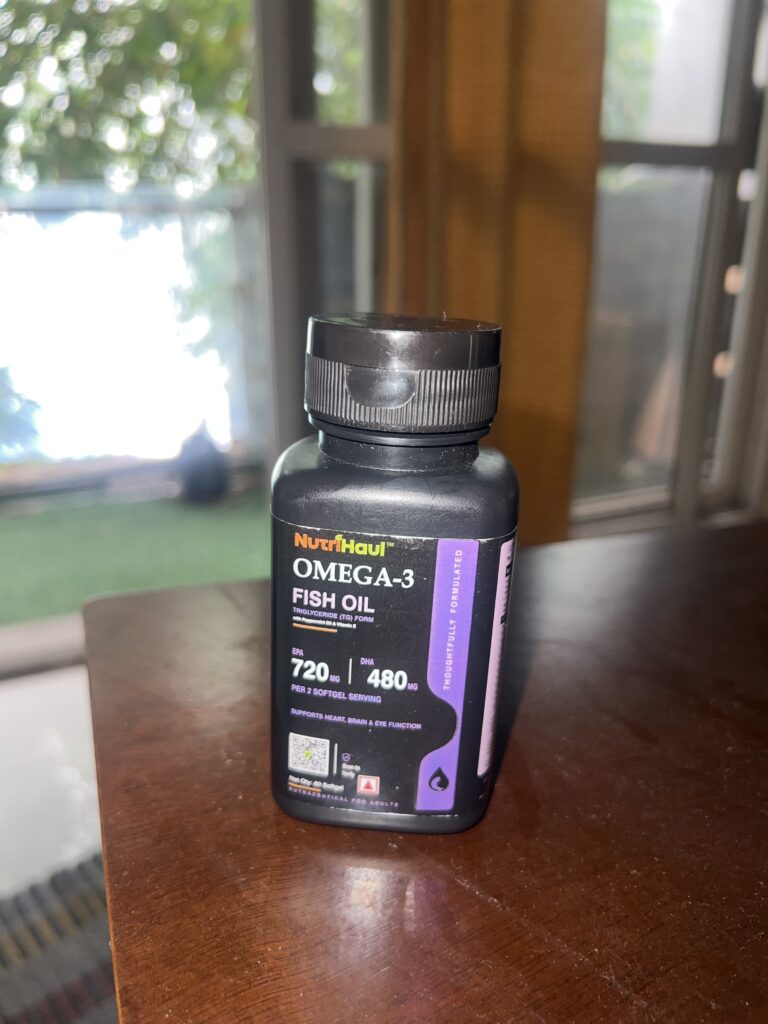
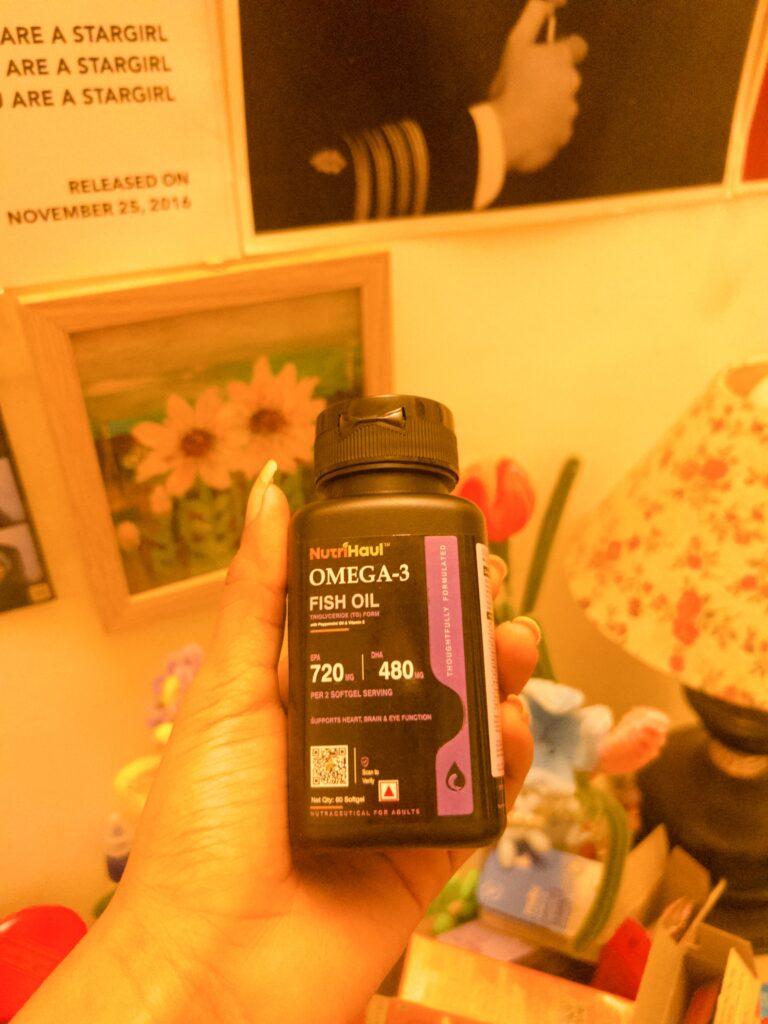
High-strength omega-3 with 720mg EPA and 480mg DHA per serving. Naturally sourced from wild Peruvian anchovies and formulated in the triglyceride (TG) form for superior quality.

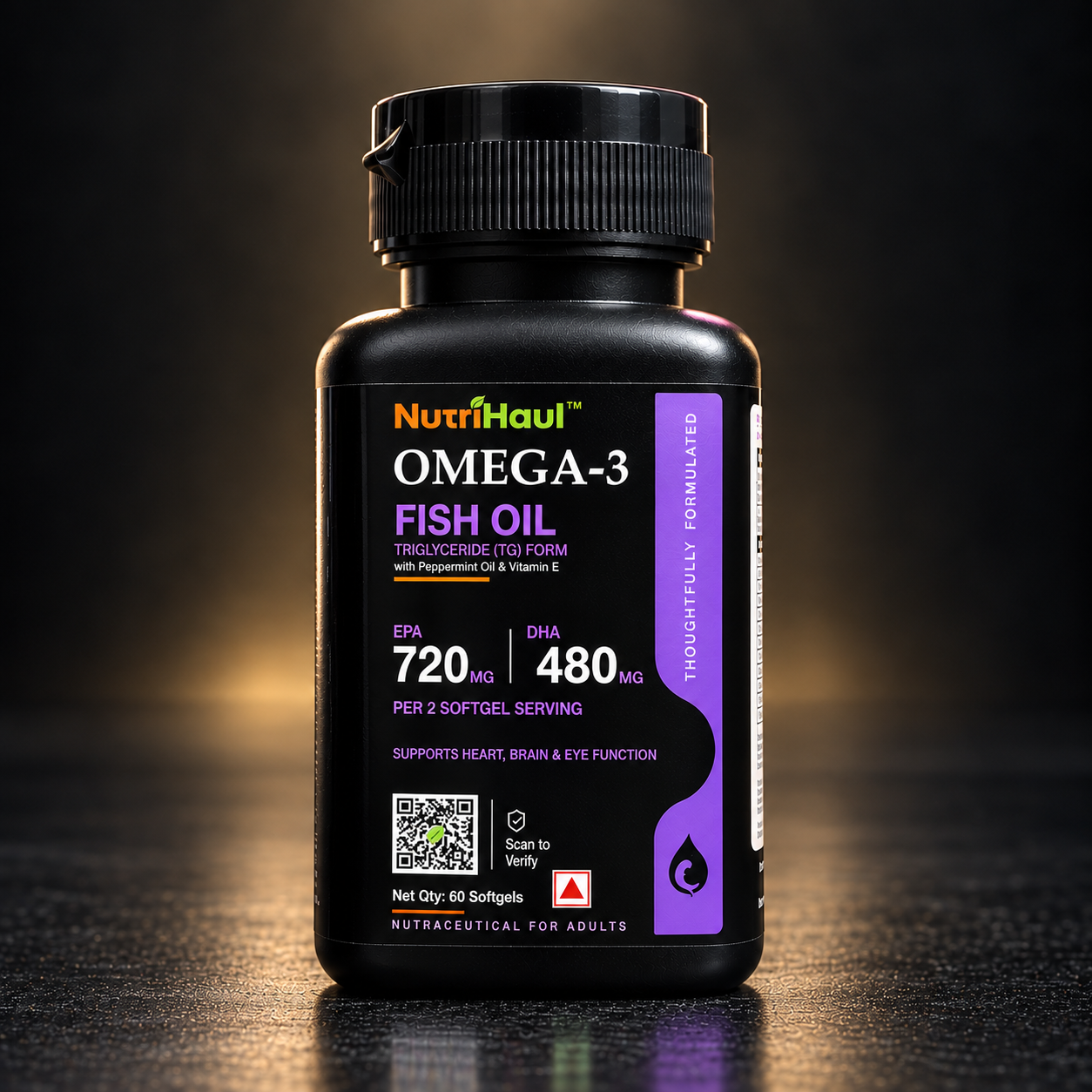
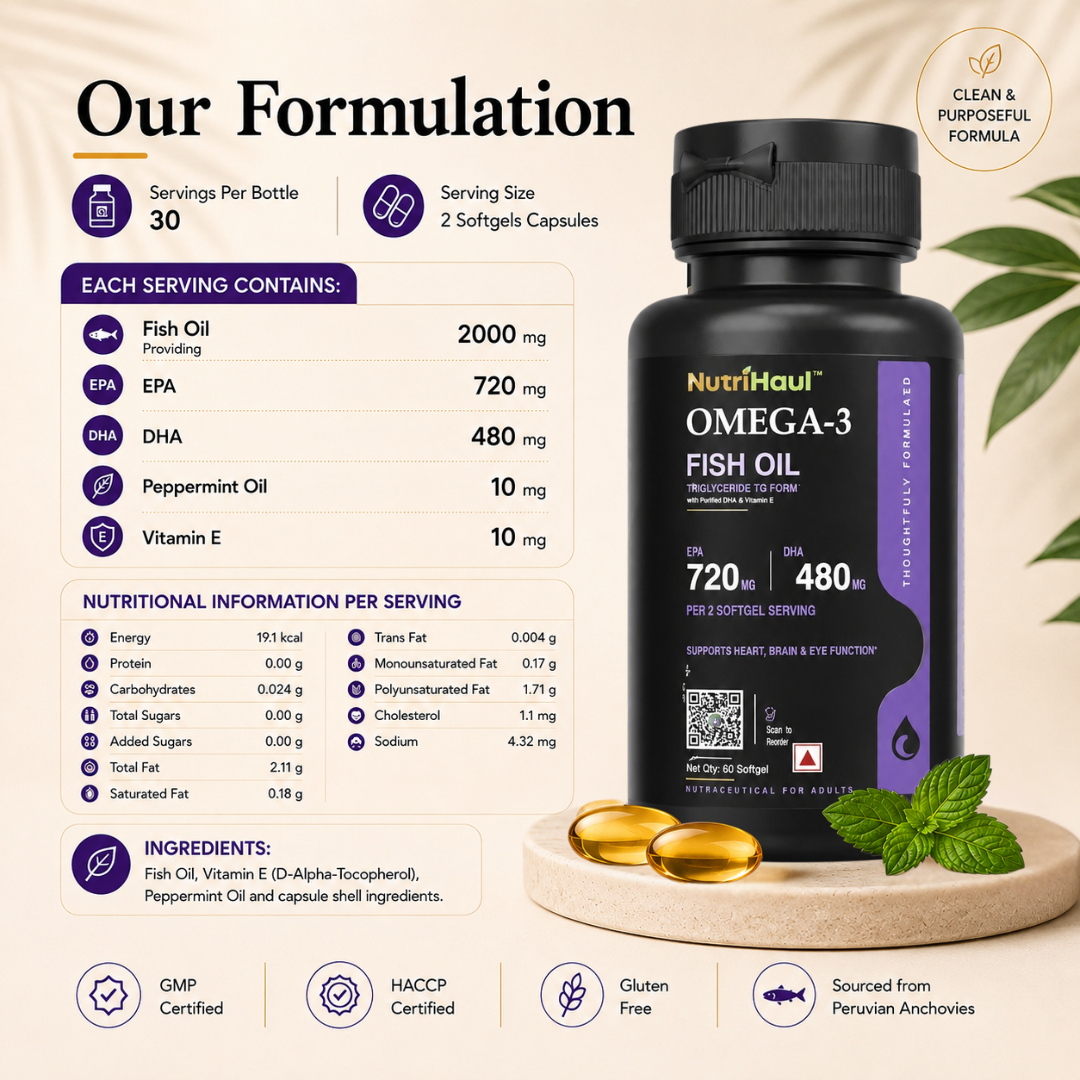
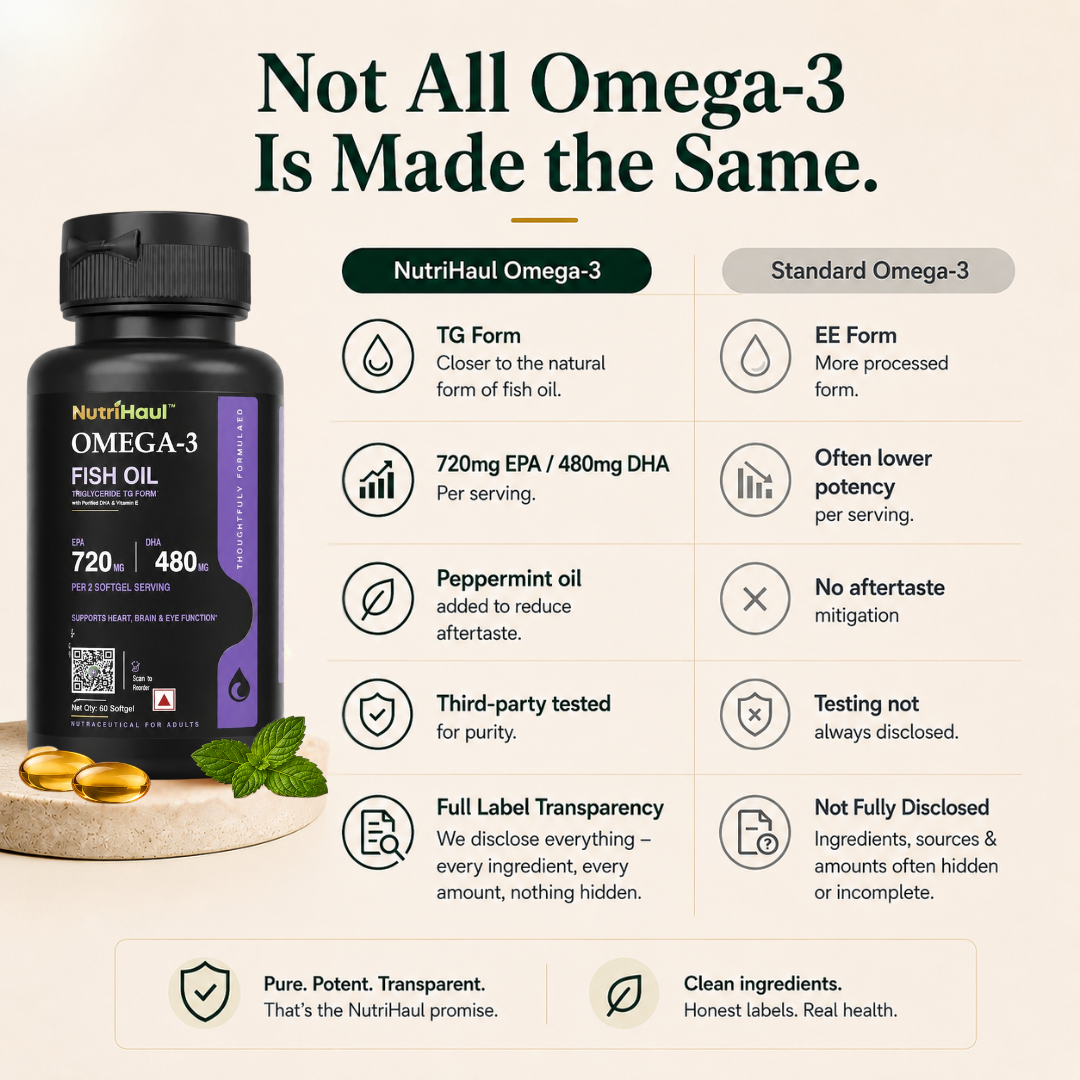
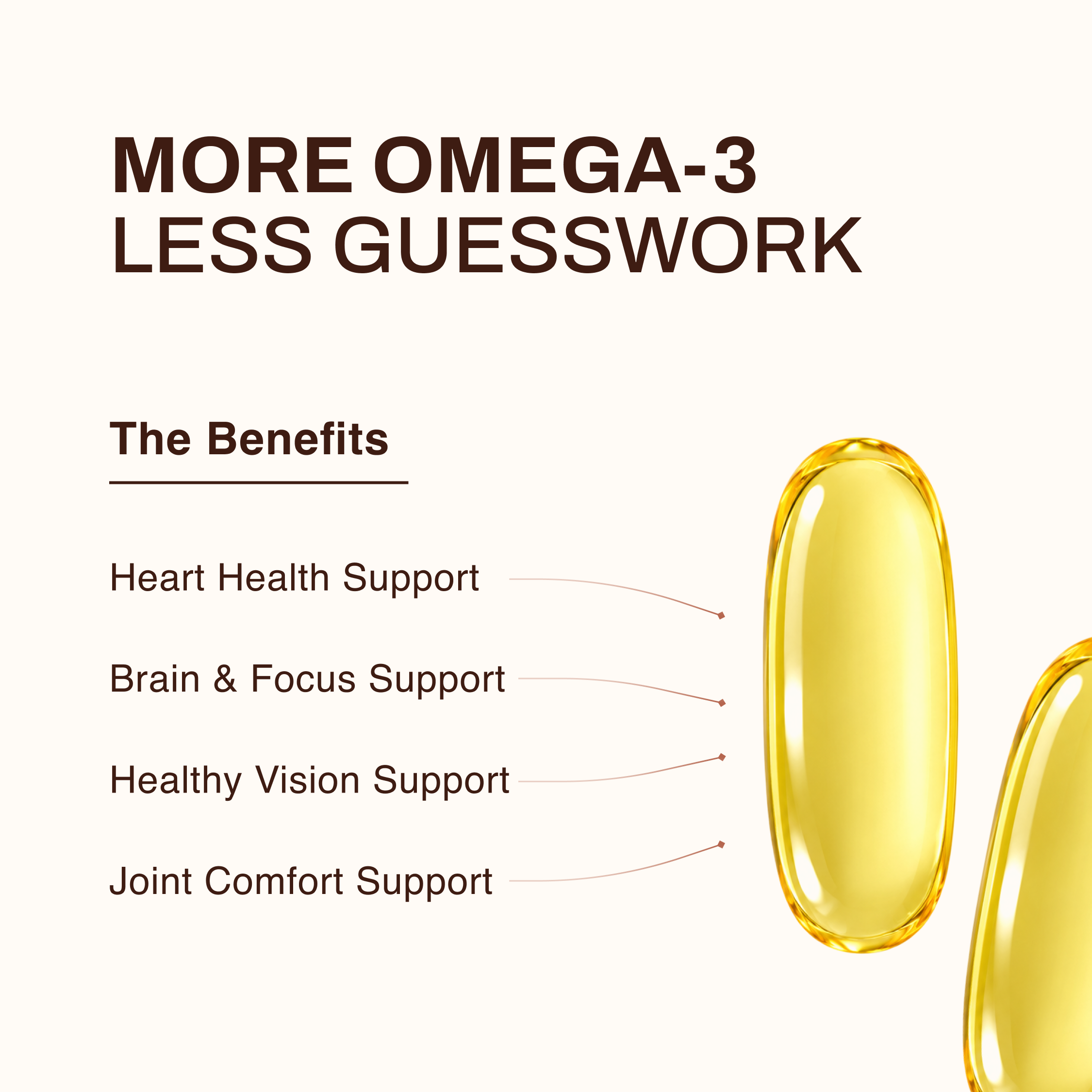
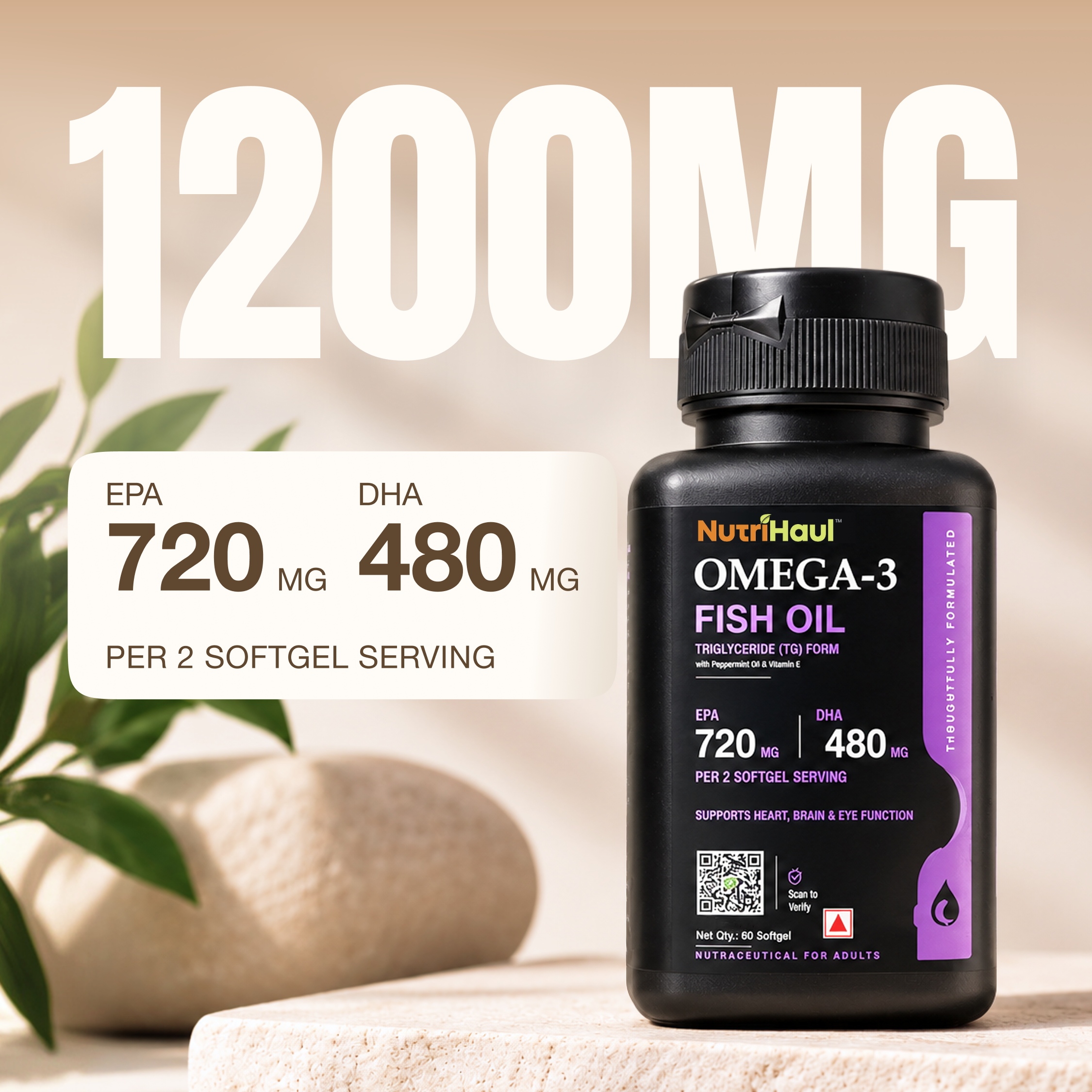
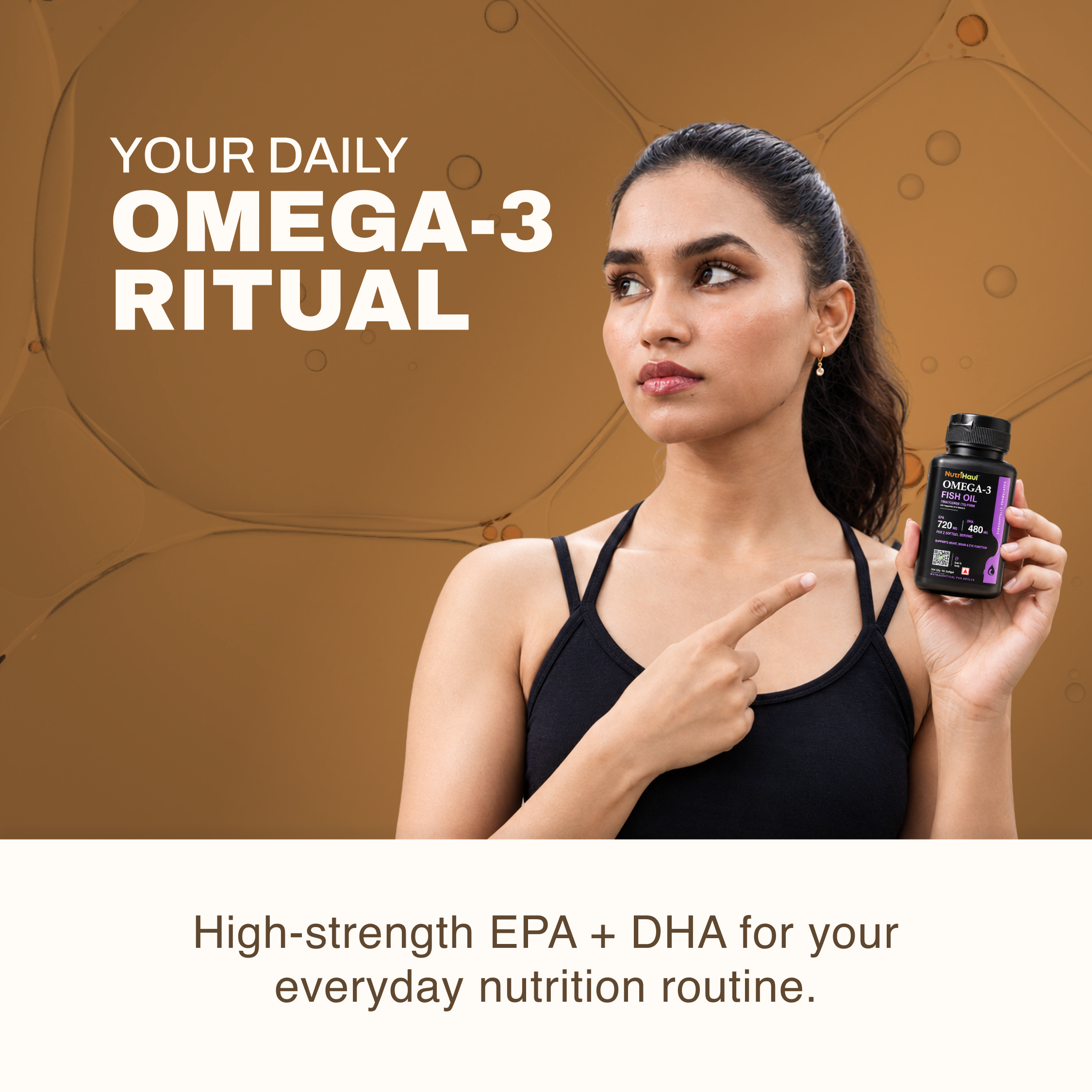
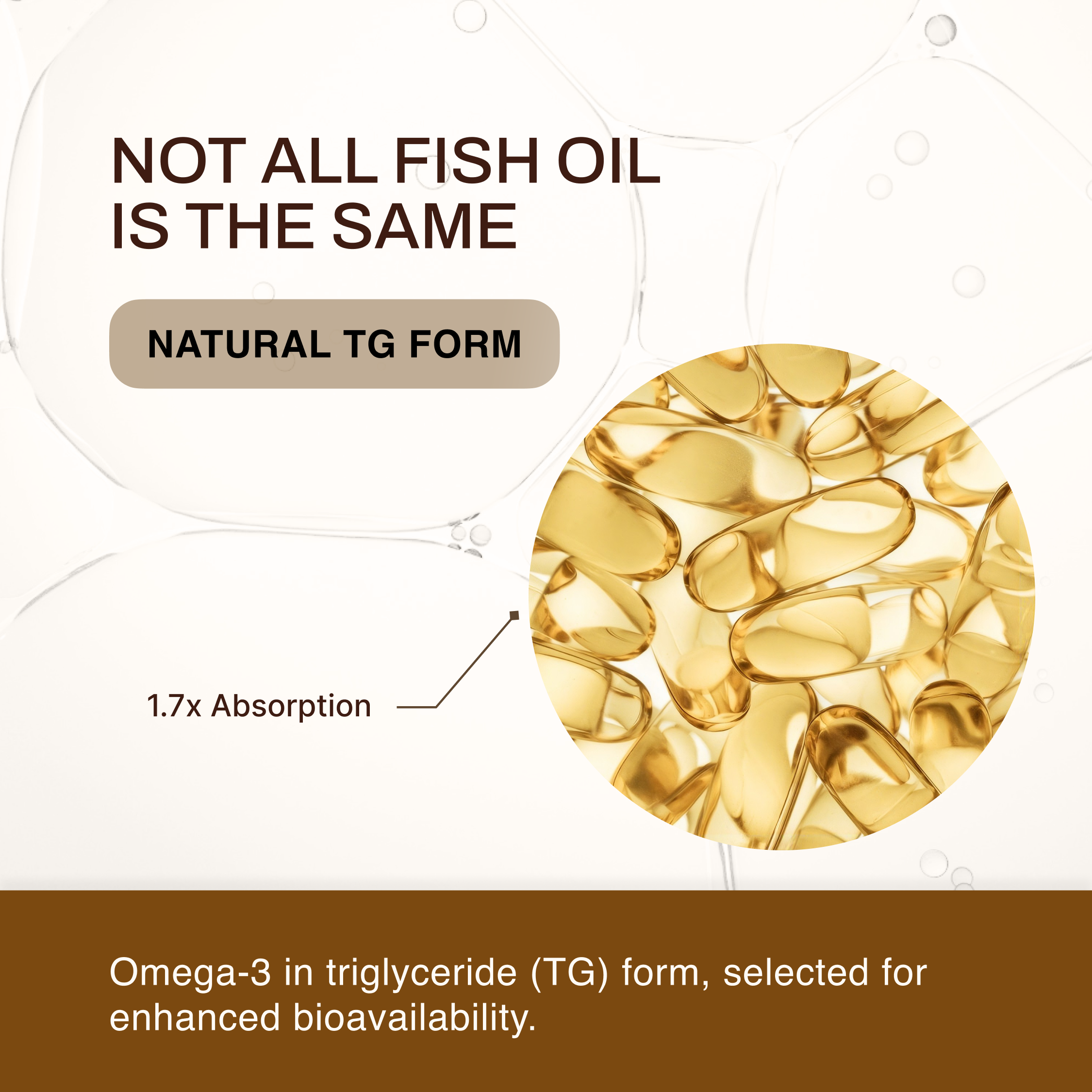
High-strength omega-3 with 720mg EPA and 480mg DHA per serving. Naturally sourced from wild Peruvian anchovies and formulated in the triglyceride (TG) form for superior quality.
₹1,299.00 Original price was: ₹1,299.00.₹1,104.15Current price is: ₹1,104.15.
High-strength omega-3 with 720mg EPA and 480mg DHA per serving. Naturally sourced from wild Peruvian anchovies and formulated in the triglyceride (TG) form for superior quality.
Customer photos and videos
Ayushi Esha
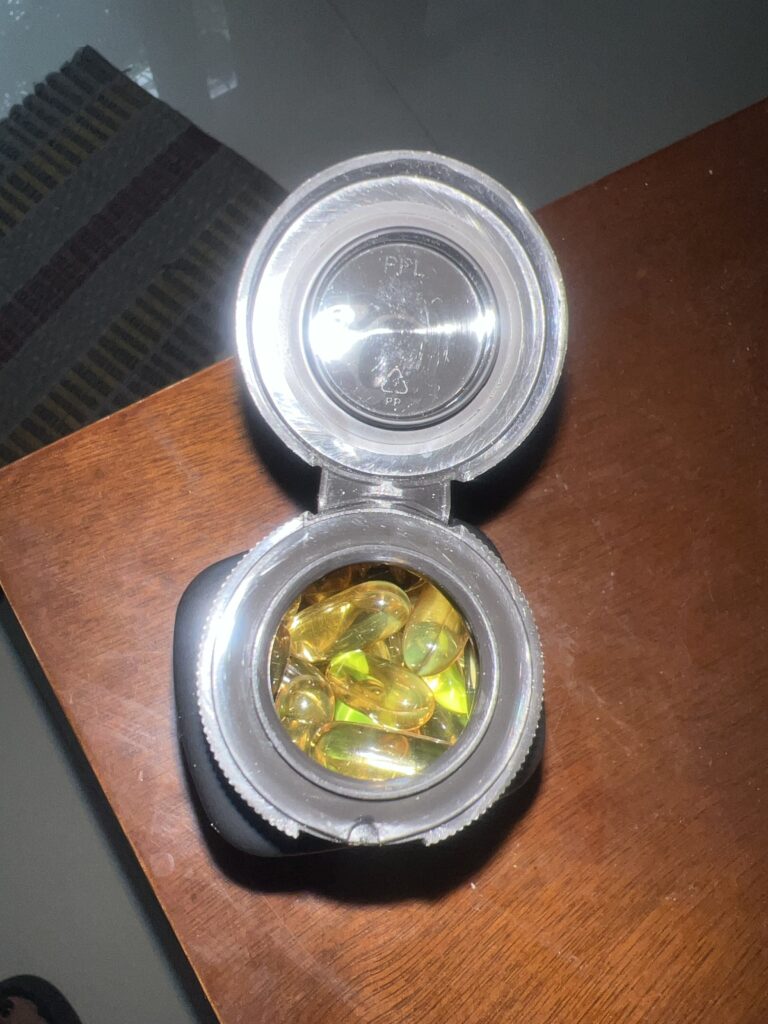
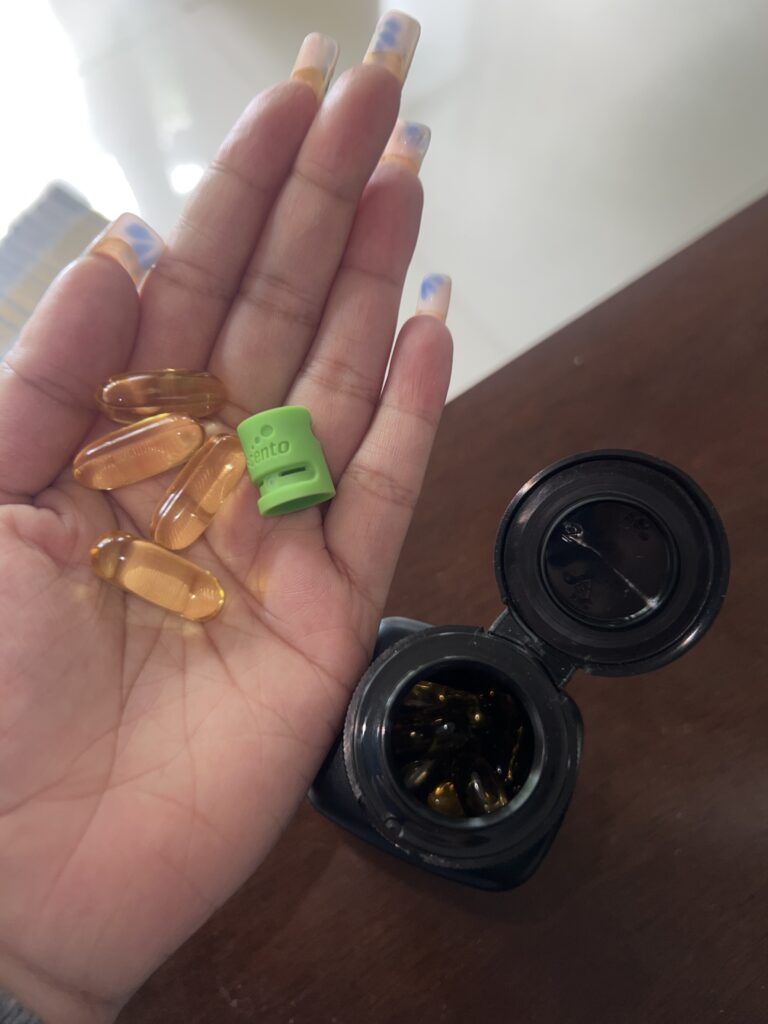
Great stuff! Get your omega 3s guys ! We all need it! I use it every day after my lunch and it’s great! It’s totally safe in my experience. In fact I have noticed reduced inflammation in my body!l've tried several omega-3 fish oil supplements over the years, and the persistent fishy aftertaste or burps have always been a major drawback But Nutrihaul’s Capsules are good quality, odour free, no side effects and DOES NOT leave any fishy aftertaste or burps! Gotta stock up on these bad boys!!!
Ayushi Esha
Great stuff! Get your omega 3s guys ! We all need it! I use it every day after my lunch and it’s great! It’s totally safe in my experience. In fact I have noticed reduced inflammation in my body!l've tried several omega-3 fish oil supplements over the years, and the persistent fishy aftertaste or burps have always been a major drawback But Nutrihaul’s Capsules are good quality, odour free, no side effects and DOES NOT leave any fishy aftertaste or burps! Gotta stock up on these bad boys!!!
Ayushi Esha
Great stuff! Get your omega 3s guys ! We all need it! I use it every day after my lunch and it’s great! It’s totally safe in my experience. In fact I have noticed reduced inflammation in my body!l've tried several omega-3 fish oil supplements over the years, and the persistent fishy aftertaste or burps have always been a major drawback But Nutrihaul’s Capsules are good quality, odour free, no side effects and DOES NOT leave any fishy aftertaste or burps! Gotta stock up on these bad boys!!!
Neha Sharma
Been using this Omega-3 regularly and really like it so far Great product and good quality
Sorry, no reviews match your current selections
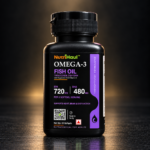 Omega-3 Fish Oil
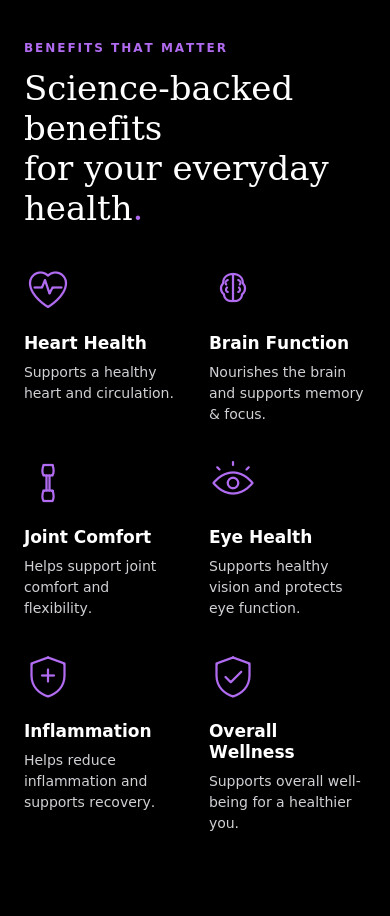
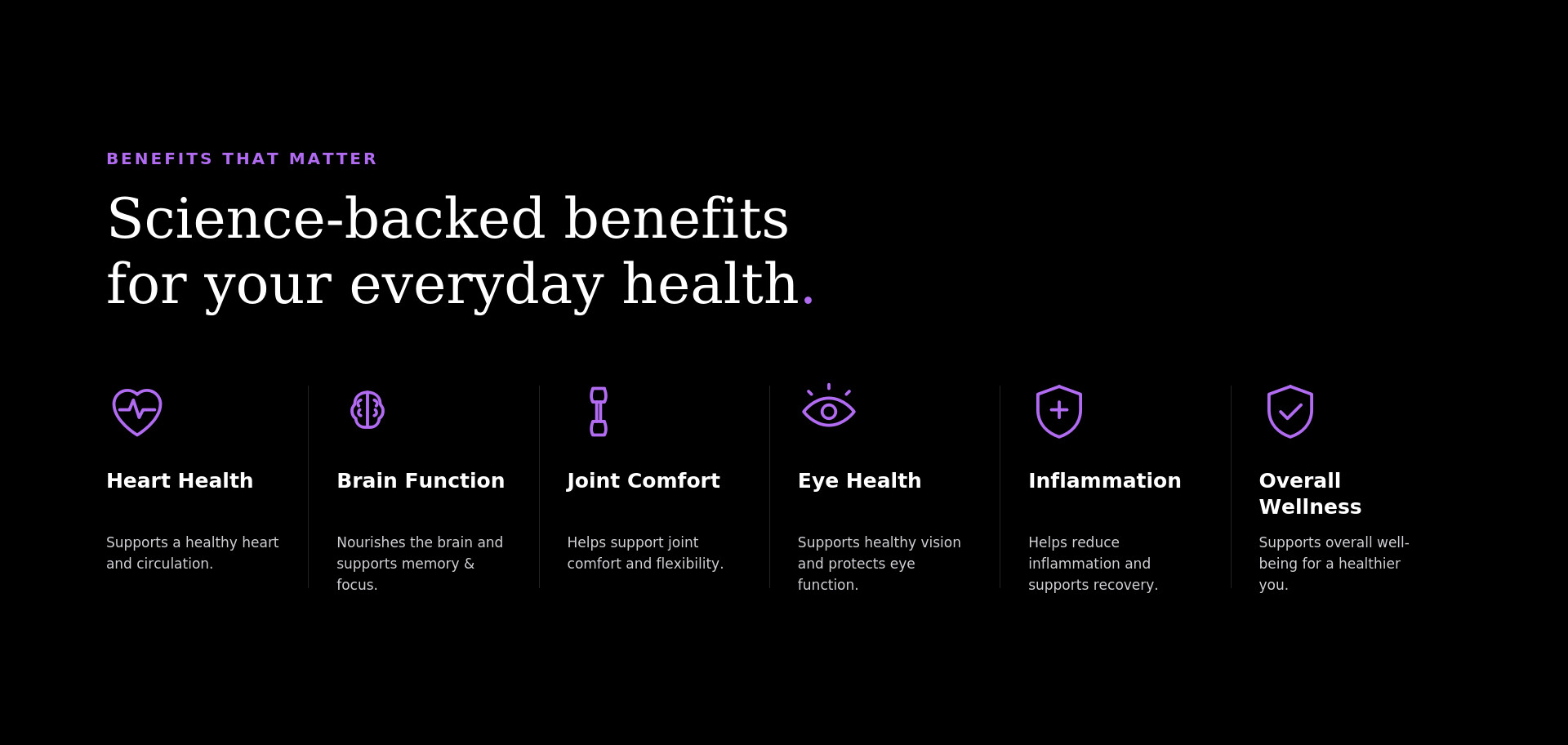
Full label transparency
The research
How to use
Important Note
Frequently asked questions
Learn more
Evidence-based articles — why form matters, how much you need, and what the science actually says.
WhatsApp us


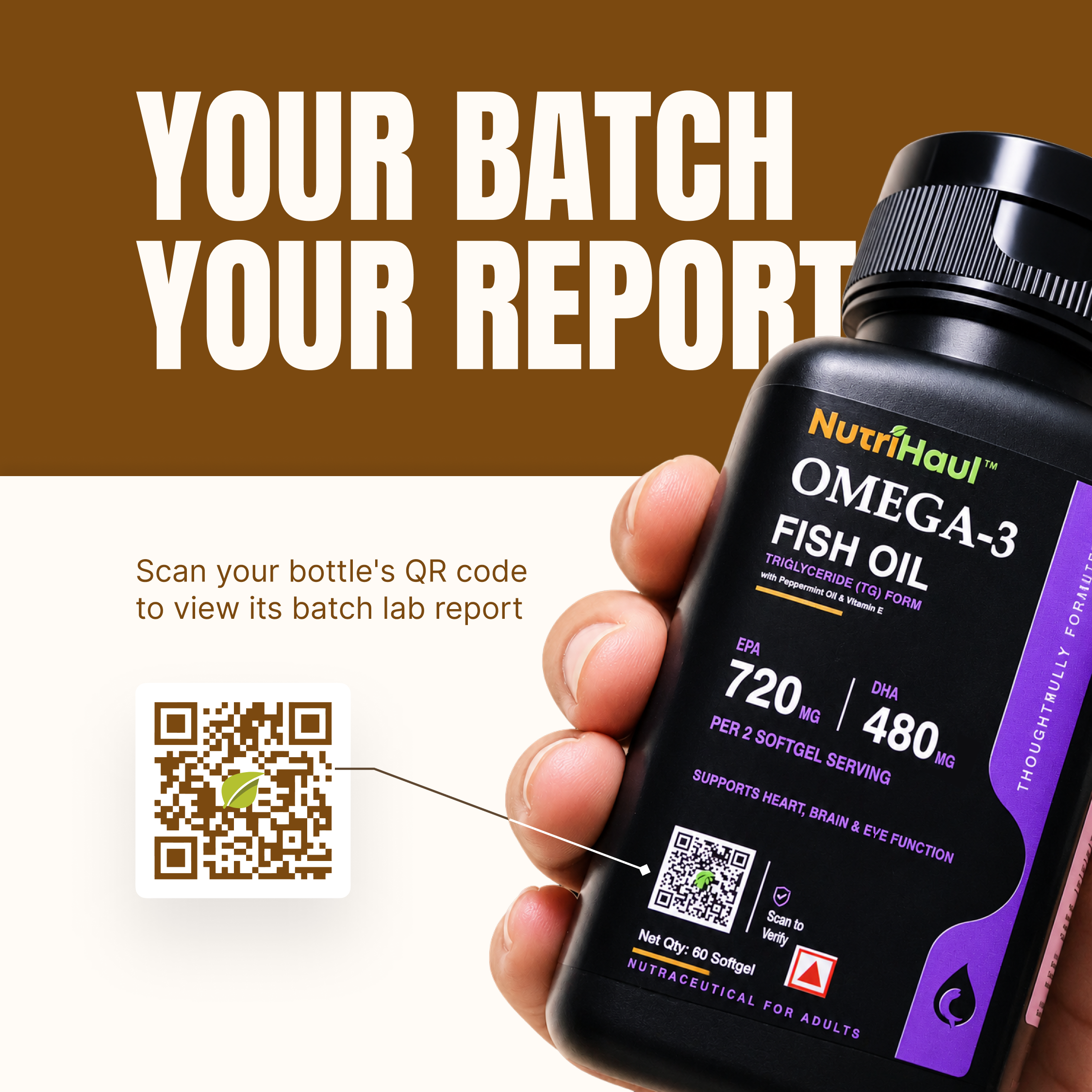
Really happy with the Omega-3. Capsules are easy to take and no fishy aftertaste, which was my main concern. Packaging is also really good and I liked that they provide lab reports for the batch. I’m taking it along with my parents and the experience has been really good so far. Will definitely continue this.
Nutrihaul product is just amazing. They are so real with their ingredients. Must buy🫰👍
As someone who works out regularly, I like keeping my supplementation simple and consistent. I’ve been using this Omega-3 daily and have had a good experience so far. Easy to include in my routine and convenient to take,no fishy burps! A must buy product
Genuine product in a month I have seen good change in my hair and skin quality.
Great stuff! Get your omega 3s guys ! We all need it! I use it every day after my lunch and it’s great! It’s totally safe in my experience. In fact I have noticed reduced inflammation in my body!
l’ve tried several omega-3 fish oil supplements over the years, and the persistent fishy aftertaste or burps have always been a major drawback But Nutrihaul’s Capsules are good quality, odour free, no side effects and DOES NOT leave any fishy aftertaste or burps!
Gotta stock up on these bad boys!!!