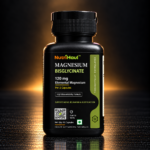
Magnesium Bisglycinate

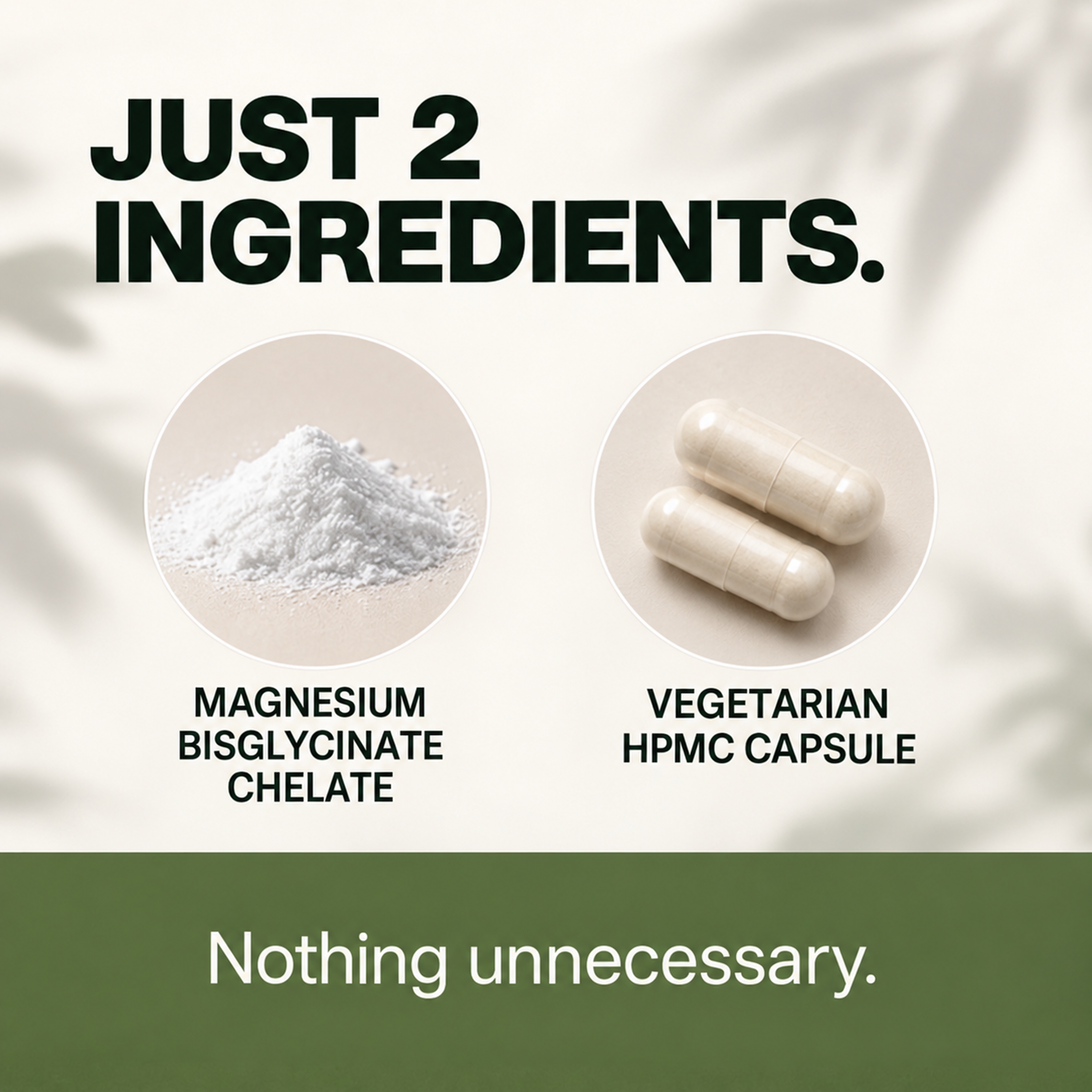
Two ingredients. That’s the whole formula.

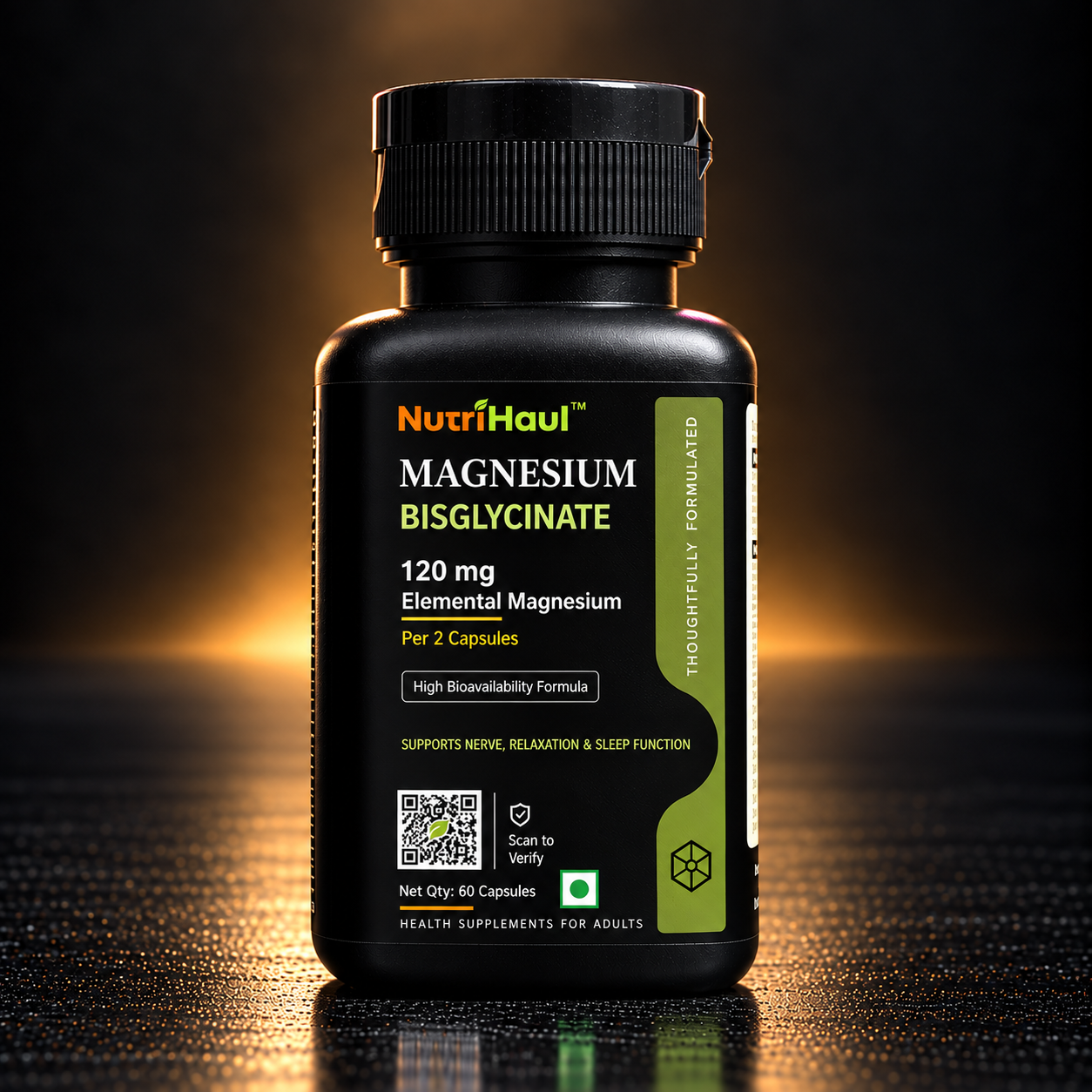
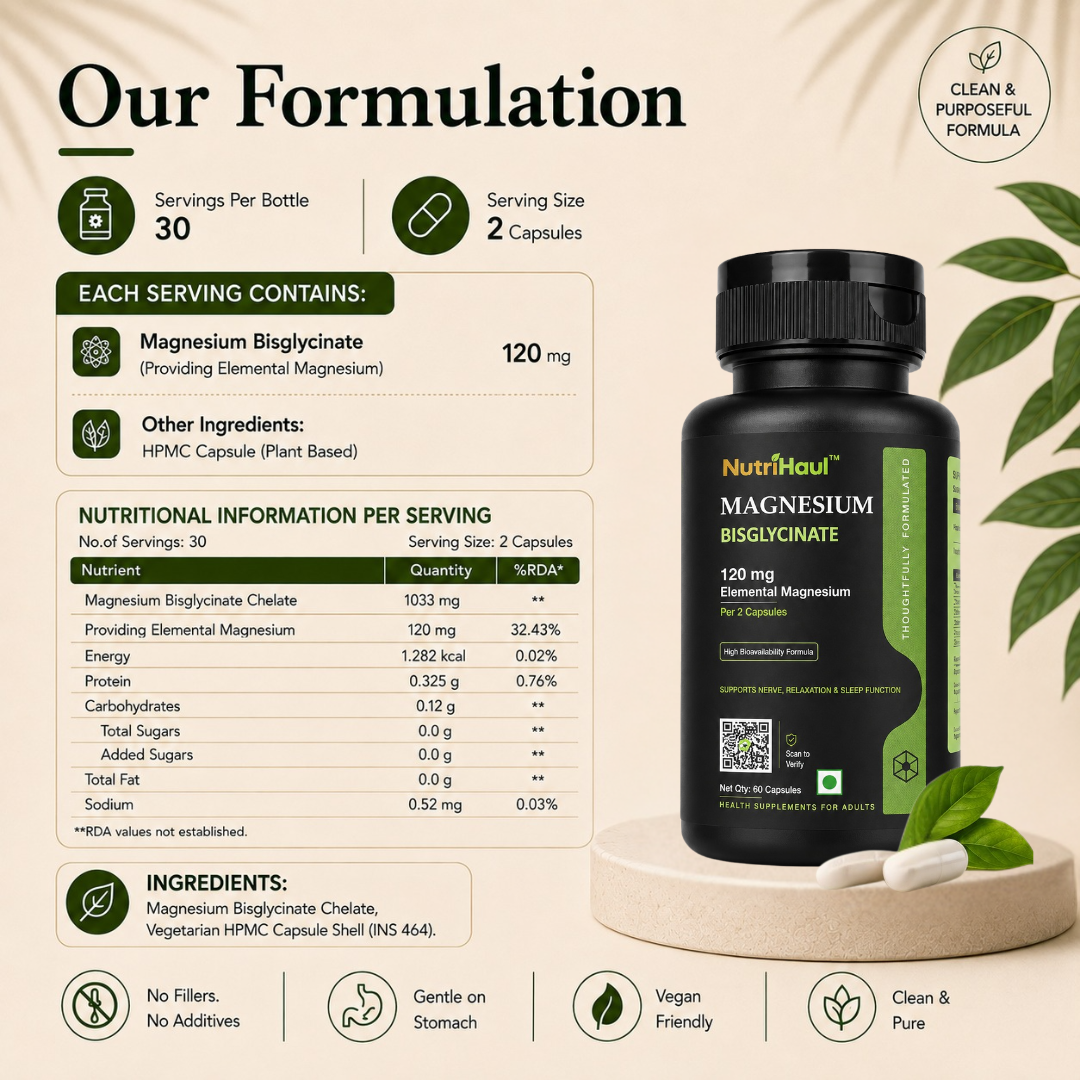
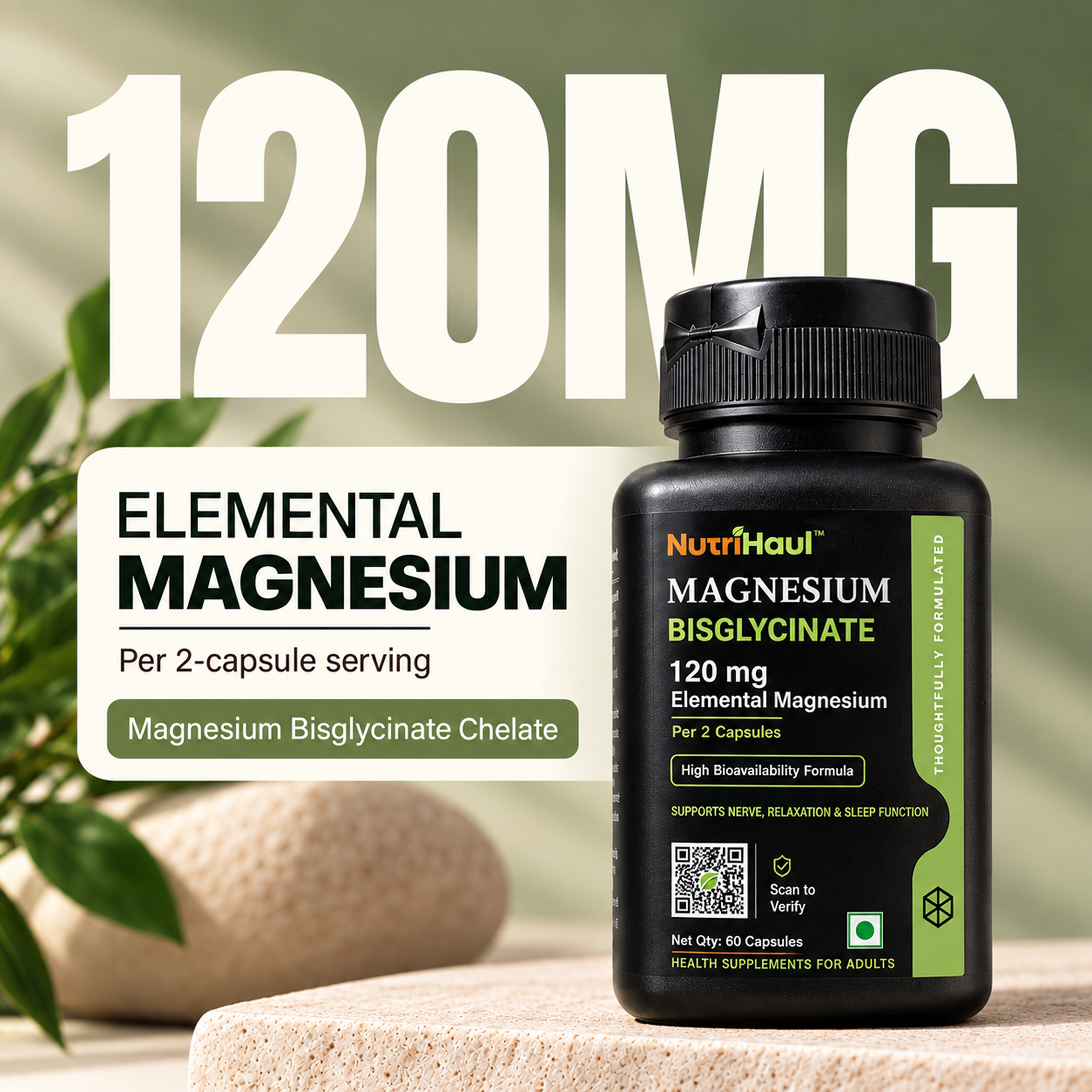
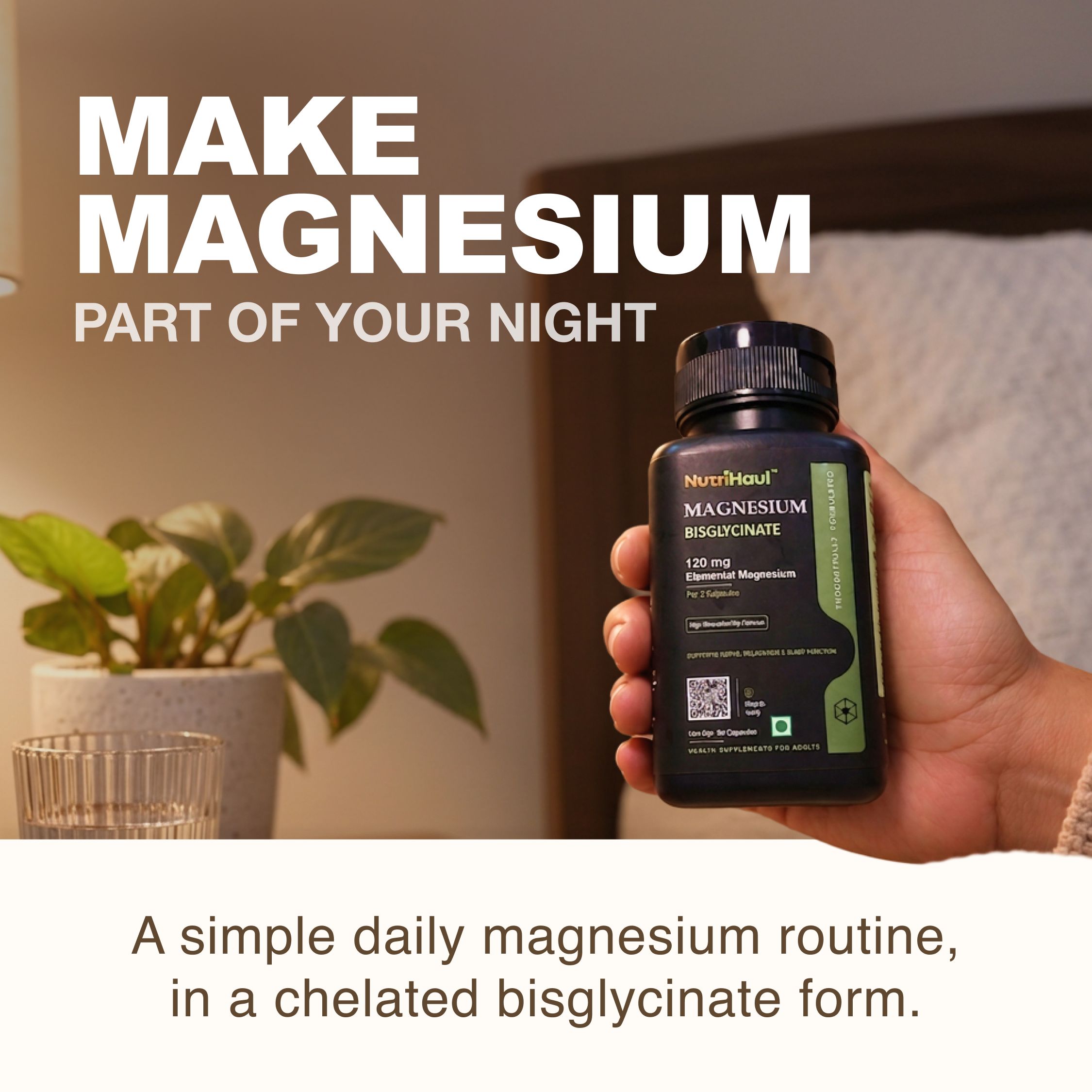
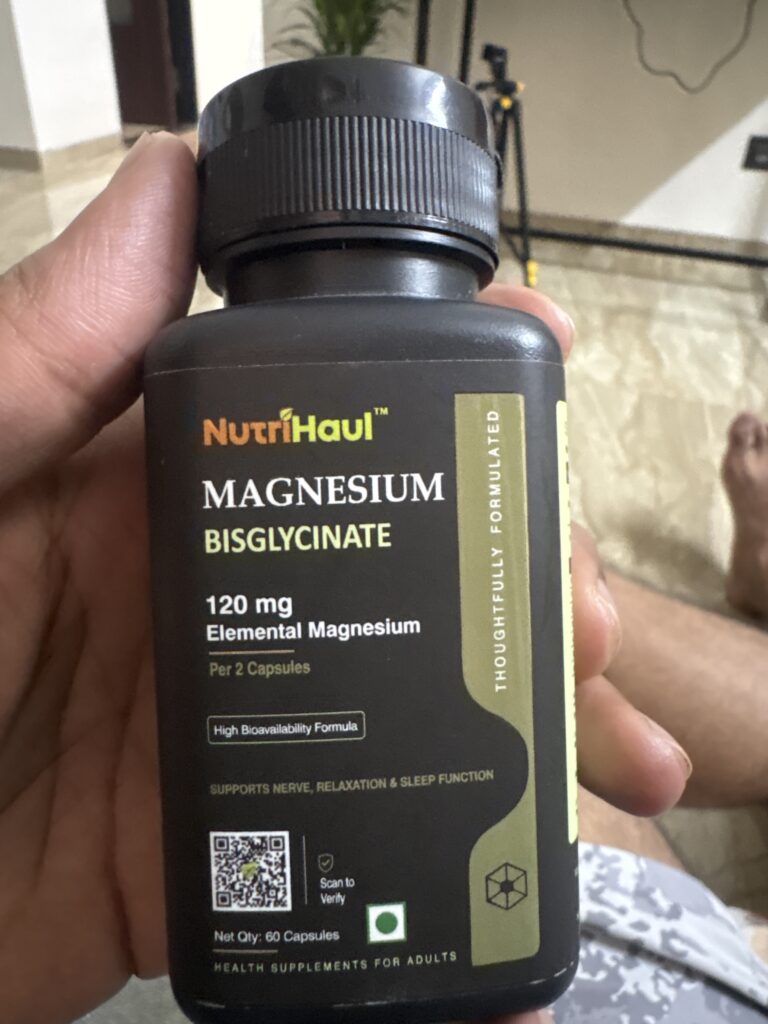
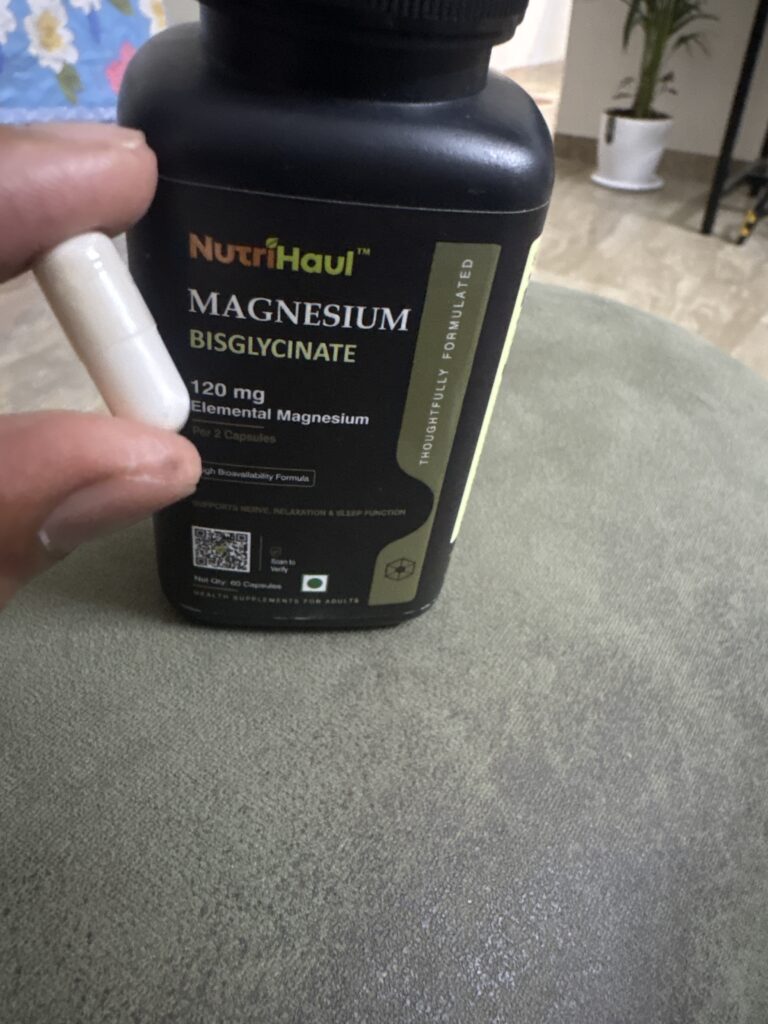
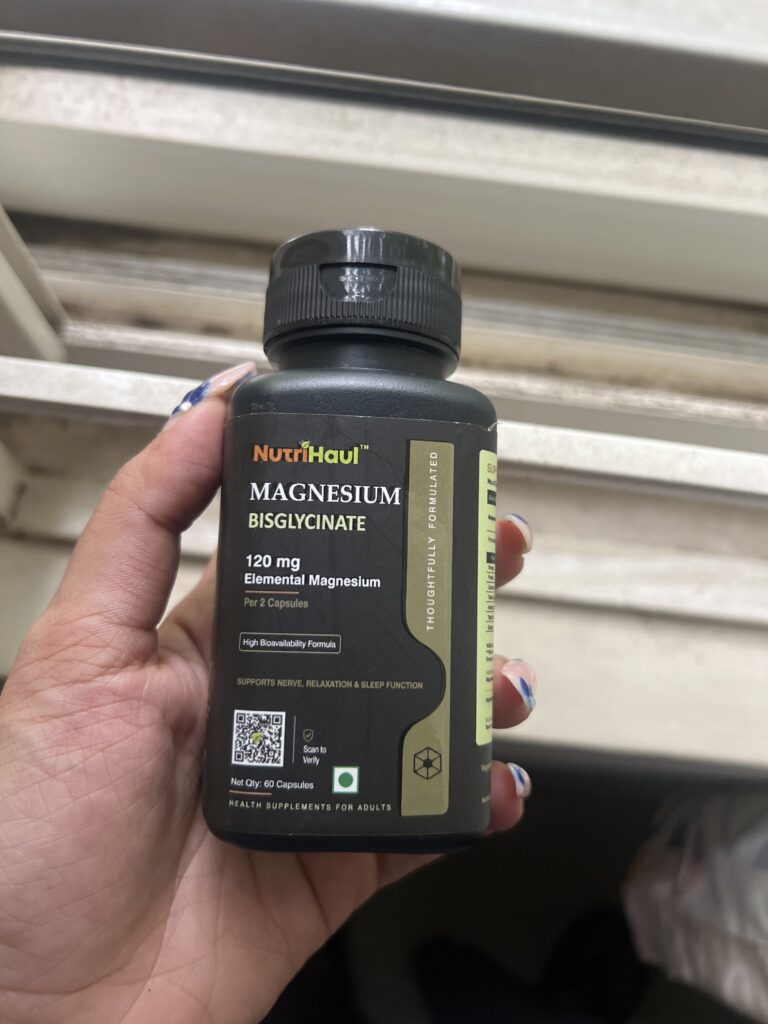
120mg elemental magnesium per serving as bisglycinate chelate — the most bioavailable form with the least digestive disturbance. Just two ingredients: magnesium bisglycinate chelate and a vegetarian HPMC capsule. The glycine it’s bound to also independently supports calm and sleep quality.

699.00

120 capsules · 60-day supply · ₹11.7 per day

Why it works

What magnesium actually does in 300+ biochemical processes.

If you’re chronically stressed, don’t sleep well, or work long hours — you’re almost certainly using more magnesium than you’re taking in. This is the most under-supplemented mineral in India.
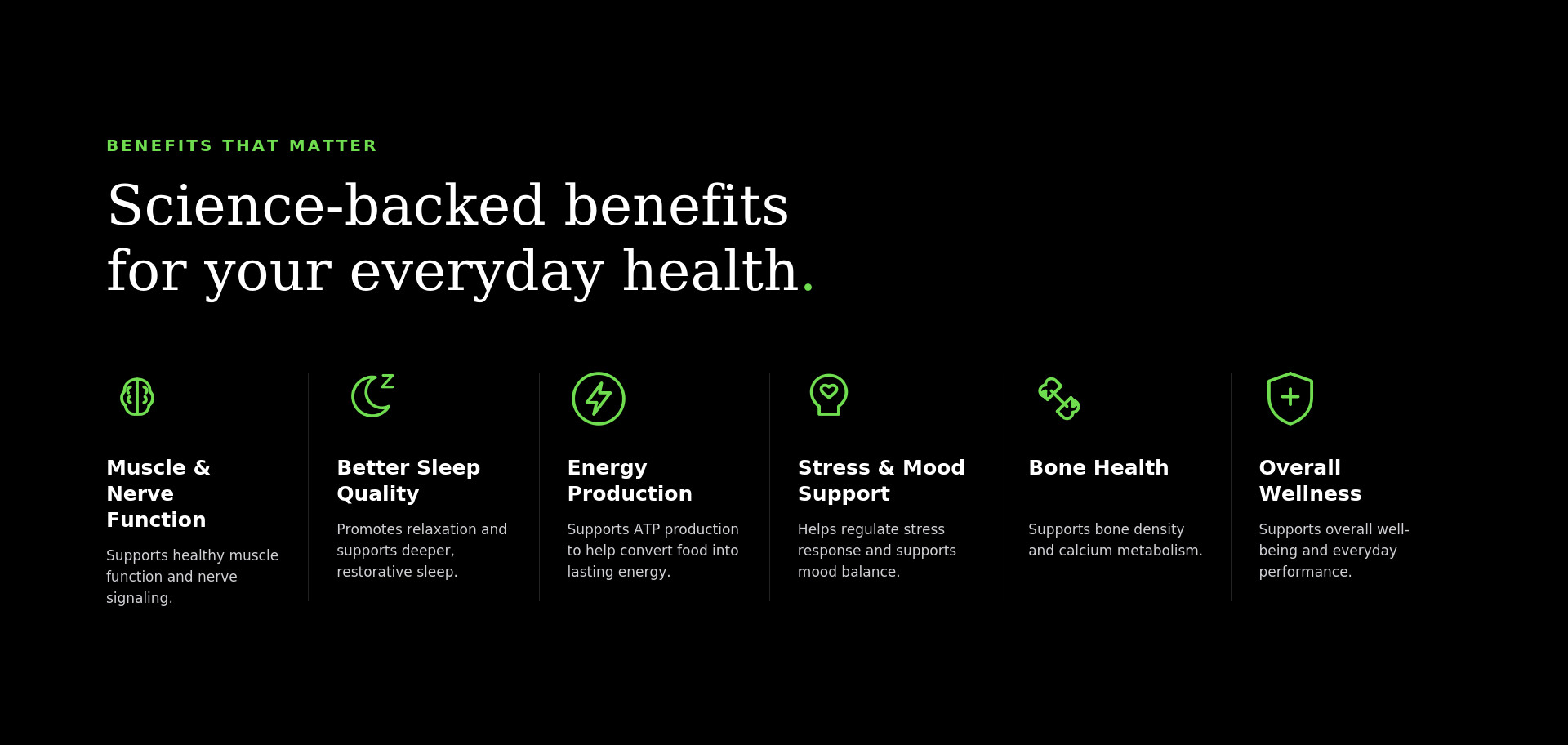
Deep Sleep Quality
Magnesium is a co-factor in GABA production — the brain’s primary inhibitory neurotransmitter that quiets neural activity and enables sleep onset. It also regulates melatonin synthesis and body temperature drop — the two key physiological triggers for sleep. Studies show magnesium supplementation increases sleep time and reduces cortisol at bedtime.
Stress & Anxiety Relief
Magnesium modulates the HPA axis — your stress response system — and blocks NMDA receptors involved in anxiety and overstimulation. Chronic stress depletes magnesium rapidly, creating a vicious cycle. The glycine in bisglycinate is separately an inhibitory neurotransmitter, making this specific form particularly effective for stress-related symptoms.
Muscle Function & Recovery
Magnesium is essential for muscle relaxation — calcium causes contraction, magnesium causes release. Low magnesium manifests as muscle cramps, restless legs, and post-exercise soreness that lingers. Desk workers and athletes alike benefit: both sedentary muscle tension and exercise-induced damage respond to adequate magnesium levels.
Energy Production (ATP)
ATP — the molecule your cells use for energy — only functions in its magnesium-bound form (MgATP). Without adequate magnesium, cellular energy production is literally impaired at the molecular level. This is why deficiency manifests as fatigue and brain fog even when sleep seems adequate. It’s not just tiredness — it’s cellular energy limitation.
Bone Density
Approximately 60% of the body’s magnesium is stored in bone. Magnesium is required for proper crystallisation of calcium in bone matrix and for activating Vitamin D. Low magnesium is associated with lower bone mineral density and increased fracture risk — particularly relevant for women over 35 and anyone with low dairy consumption.
Heart Rhythm
Magnesium regulates the electrical signals that control heart rhythm. Deficiency is associated with irregular heartbeat, elevated blood pressure, and increased arterial stiffness. Epidemiological studies consistently show an inverse relationship between dietary magnesium intake and cardiovascular disease risk.

Full label transparency

Every ingredient declared. Every dose stated.

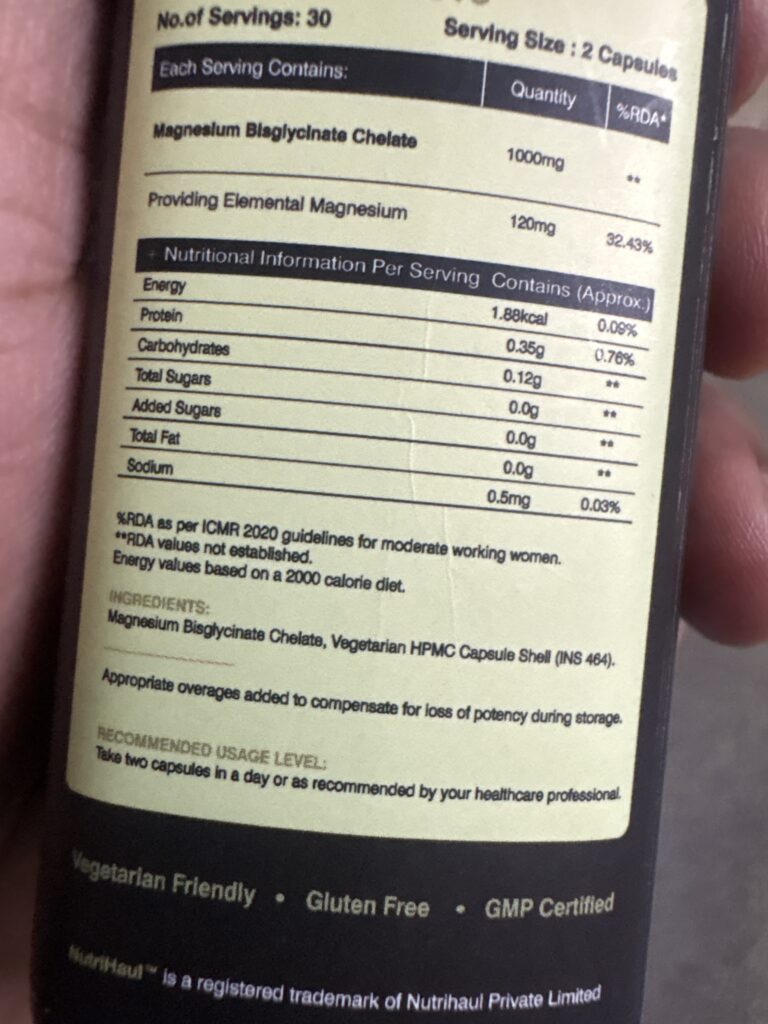
Supplement Facts

Serving: 2 Softgels · 60 Servings
Magnesium Bisglycinate Chelate                         1000mg
Providing Elemental Magnesium                     120mg 35%
Capsule shell (Vegetarian HPMC, INS 464)                   — —
%RDA as per ICMR 2020.

Other ingredients: None. This is the entire formula.
Suitable for: Vegetarians, vegans. Gluten-free.

120
mg

Magnesium Bisglycinate Chelate
Most bioavailable form · No laxative effect · Sleep + stress
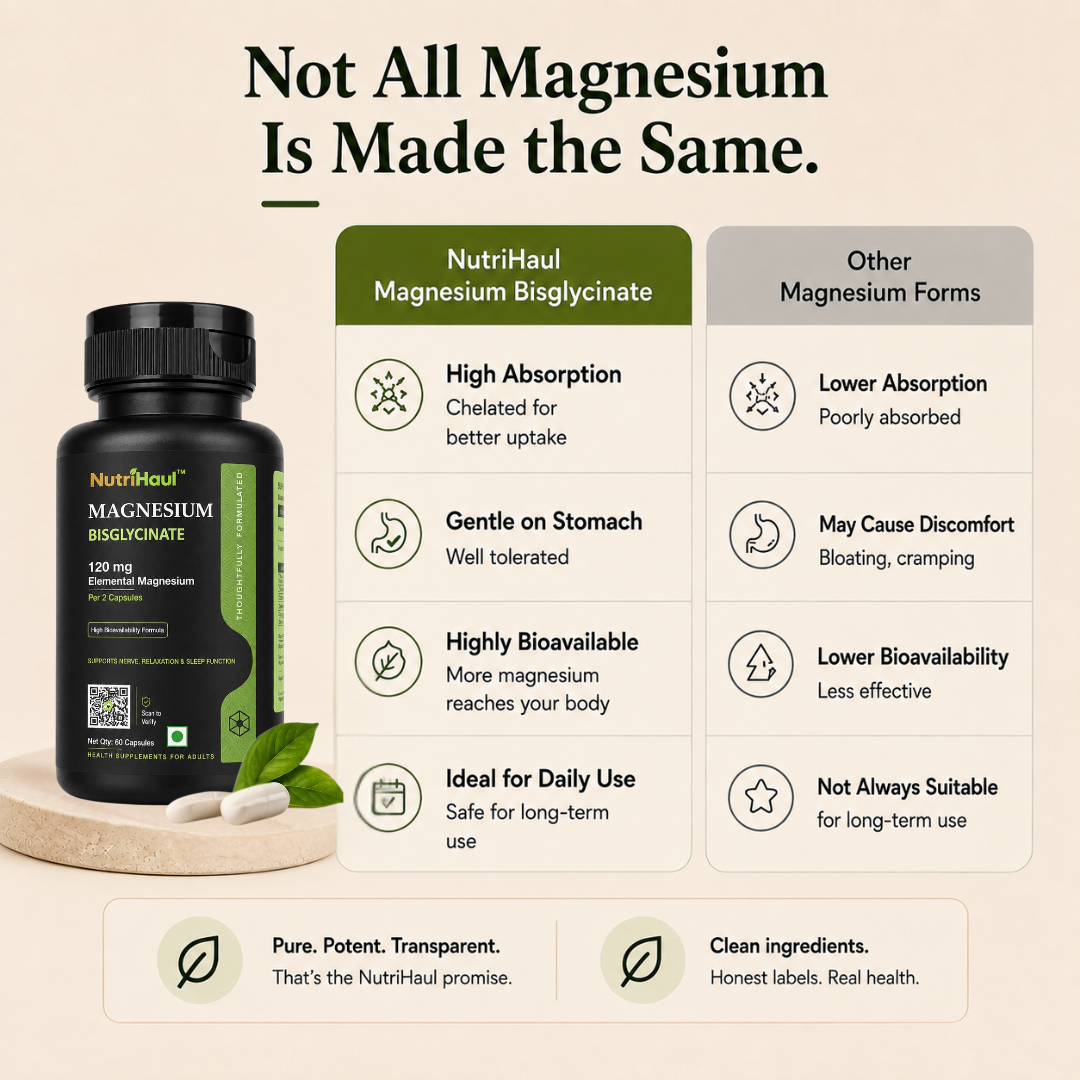
Magnesium is chelated to two glycine molecules (bisglycinate = two glycines). This chelation protects the magnesium ion from competing minerals in your gut and allows absorption via amino acid transporters. Result: significantly higher absorption with substantially less digestive disturbance vs. oxide, citrate, or sulfate forms.

Glycine
bonus

Glycine — The bonus molecule
Inhibitory neurotransmitter · Sleep quality · Calm
Glycine is an inhibitory neurotransmitter in its own right. It acts on glycine receptors in the brainstem to reduce neural excitation, contributing independently to calm and sleep quality. Research shows glycine supplementation alone improves subjective sleep quality and reduces daytime sleepiness. You get the benefits of both magnesium and glycine from bisglycinate.

The research

Why triglyceride form. Why these doses.

80%

Estimated proportion of urban Indians consuming less magnesium than their RDA, based on dietary assessment studies. Urban diets high in processed food and low in leafy greens and nuts consistently underdeliver magnesium. Stress and alcohol consumption further accelerate depletion through increased urinary excretion. Gröber U, Schmidt J, Kisters K (2015). Magnesium in Prevention and Therapy. Nutrients.

Greater bioavailability of magnesium glycinate compared to magnesium oxide in head-to-head comparison studies. Magnesium oxide — the cheapest and most common form in budget supplements — absorbs so poorly (about 4%) that it primarily acts as a laxative rather than supplying usable magnesium to tissues. Coudray C, et al. (2005). Study of magnesium bioavailability from ten organic and inorganic Mg salts. Magnesium Research.

300+

Biochemical reactions in the human body requiring magnesium as a cofactor — including DNA synthesis, protein synthesis, ATP energy production, and regulation of over 300 enzymes. No other mineral is involved in as many metabolic processes, which explains why deficiency has such wide-ranging symptoms. Workinger JL, Doyle RP, Borber J (2018). Challenges in the Diagnosis of Magnesium Status. Nutrients.

−23%

Reduction in plasma magnesium levels during periods of chronic psychological stress — documented in controlled studies. This creates a vicious cycle: stress depletes magnesium, and low magnesium amplifies the stress response via HPA axis dysregulation. Supplementation breaks this cycle. Seelig MS (1994). Consequences of magnesium deficiency on enhancement of stress reactions. Journal of the American College of Nutrition..

How to use

Dosage, timing, and what to expect.

When to take it

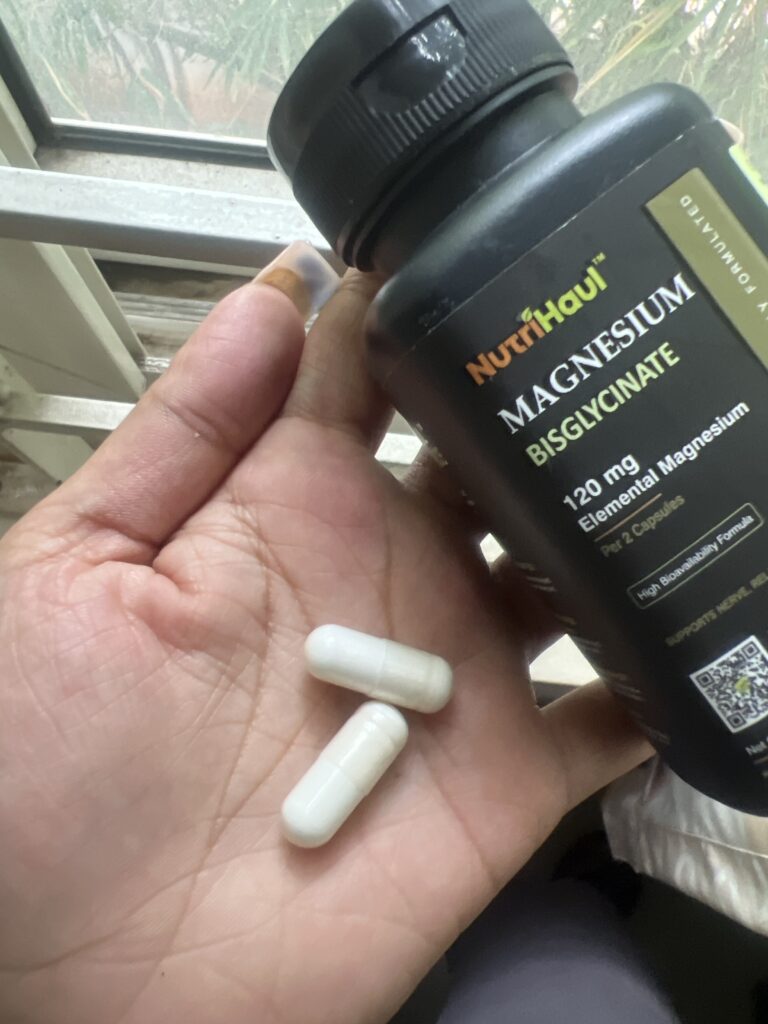
Take 2 capsules in the evening, 30–60 minutes before bed. Magnesium’s calming and sleep-promoting effects are best utilised during your sleep window. Bisglycinate is gentle enough to take with or without food — no GI disturbance.
How long until results

Many people notice improved sleep quality and reduced muscle tension within the first 1–2 weeks. Stress resilience and mood improvements typically emerge after 3–4 weeks. Full tissue magnesium replenishment in significant deficiency takes approximately 3 months of daily use.
Can I take more than 2 capsules?

120mg elemental per serving is a conservative maintenance dose (32% RDA). For significant deficiency, some practitioners recommend up to 300–400mg/day. 4 capsules (240mg) is safe, but we recommend consulting a healthcare professional for doses above 350mg.

Important Note

High doses of magnesium above 350mg elemental per day can cause loose stools in some people — a physiological response, not a health concern, that resolves by reducing the dose. Bisglycinate is significantly less likely to cause this than other forms. People with kidney disease should not supplement magnesium without medical supervision.

Frequently asked questions

Everything you want to know before you buy.

Why bisglycinate and not magnesium citrate or oxide?
Magnesium oxide is the cheapest form with less than 4% bioavailability — most passes through your gut as a laxative. Magnesium citrate has better absorption (~25–30%) but often causes loose stools at therapeutic doses. Bisglycinate has the highest bioavailability (~80%) with the least GI disturbance, and has the added benefit of glycine — an inhibitory neurotransmitter that independently supports sleep and calm. It costs more to produce, but you’re actually absorbing what you pay for.
Common symptoms of low magnesium: difficulty falling asleep or staying asleep, muscle cramps or twitching (especially in legs or eyelids), feeling anxious or stressed for no clear reason, fatigue that doesn’t resolve with sleep, headaches or migraines, and constipation. Blood serum tests are unreliable because the body maintains serum levels by pulling magnesium from bones — you can be tissue-deficient while blood levels appear normal. If you have 3+ of these symptoms, supplementation is worth trying for 4–6 weeks.
Yes. Magnesium bisglycinate is one of the best-tolerated forms with an excellent long-term safety profile. The body excretes excess magnesium through the kidneys. Daily supplementation at 120mg elemental magnesium is well below the upper tolerable limit of 350mg/day for supplemental magnesium. People with kidney disease should consult a doctor before supplementing.
No — magnesium doesn’t sedate you. It improves your body’s ability to relax and transition into sleep, but it doesn’t cause drowsiness the way antihistamines or sleep medications do. Taking it in the evening means its calming effects align with your natural sleep window. Most people report feeling calmer and less tense during the day, but fully alert.
Yes — and we recommend it. Magnesium is actually required for Vitamin D metabolism — without adequate magnesium, your body can’t convert D3 into its active hormonal form. Taking magnesium alongside D3 improves D3’s effectiveness. We recommend Omega-3 and D3+K2 with a meal, and Magnesium in the evening before bed.

Learn more

From our research

Evidence-based articles — why form matters, how much you need, and what the science actually says.

MK-7 vs MK-4: The Vitamin K2 Form That Actually Lasts

Vitashine vs Lanolin D3: Why the Source of Your Vitamin D3 Matters

Can’t Sleep? Your Magnesium Levels Might Be Part of It

The Magnesium-Stress Cycle: What Causes It and How to Break It